Daily Catholic Lectio
Fri, 18 Sep 2026
XXIV Week in Ordinary Time
1 Cor 15:12-20. Lk 8:1-3
Inclusive Discipleship
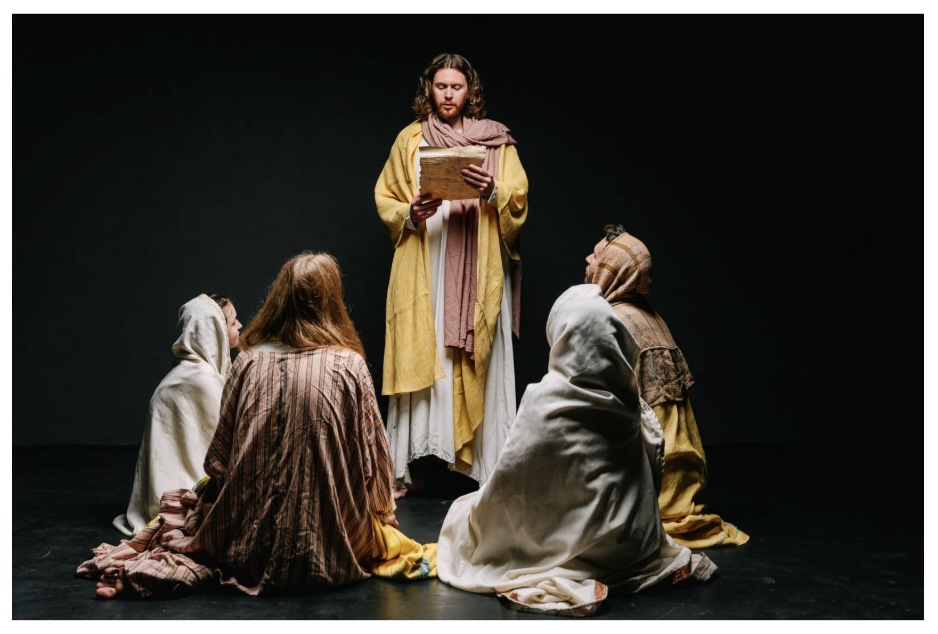
Today’s Gospel speaks about the women who travelled with Jesus during His ministry and about their discipleship. Luke records a detail that the other evangelists do not record in the same way: “The women also were with Jesus, and they served Him out of their resources.” Just before this, Luke writes, “The Twelve were with Him.”
As the Twelve were with Jesus, some women too were with Jesus.
According to the Gospel tradition, discipleship has two sides: being with Jesus and being sent by Jesus. The Twelve were with Jesus, and they were sent by Jesus for mission. Luke takes the same idea and, by calling them “the Twelve,” presents them as those who were with Jesus and were sent by Him. He then goes one step further and speaks about the women who were with Jesus. They served Him. This was their participation in the mission.
Luke gives the names of some of the women who followed Jesus. They were not merely spectators. They were participants in the mission. They supported Jesus spiritually and materially.
Each of them had a past. They had been freed from evil spirits and illnesses. Mary Magdalene had been freed from seven demons. Each one had a past from which she had been liberated. Through the compassion and mercy of Jesus, they had been transformed.
They were also generous. They supported the ministry, journeys, and needs of Jesus from their own resources. Perhaps they did this as a response to the transformation Jesus had brought into their lives, or because of their faith and gratitude.
They did not simply listen to the words of Jesus and move on. They responded to His words through their good works.
They also did not allow the opinions or criticism of others to change the direction of their lives. In their society, it was not generally considered acceptable for women to follow a rabbi. Yet they acted with courage and did not withdraw in fear.
These women teach us that discipleship does not depend on gender, social position, or one’s former life. It goes beyond all these. God receives all who love Him and believe in Him. Discipleship includes both personal transformation and active participation in the Kingdom of God.
What does this Gospel passage teach us?
First, discipleship is not connected with gender. It is inclusive of both men and women. We must recognise that the participation of women is necessary for our life and mission. We must acknowledge the work they do. We must avoid constantly giving them instructions as though their role were only to receive direction.
Second, every person can live discipleship in his or her own state of life.
Third, the discipleship of Jesus honours personal dignity. Earlier, Luke mentions the names of the Twelve. Here he also mentions the names of the women disciples. By naming them, he honours their dignity. The dignity of women is therefore recognised.
Fourth, like these women, we too must be generous in sharing our energy, time, and resources.
Fifth, we must realise that what matters before God is not simply how we were or how we are, but how we are being transformed.
Sixth, discipleship is not only in words. It is expressed in action. We should not understand “service” in the sense of slavery. Service is not an inferior act. It is a value. Luke uses here the word diakonia, which means ministry or service. His statement that these women served out of their resources also points to their spirit of sharing.
In today’s first reading, Paul speaks to the Corinthians about the resurrection of the dead. He reminds them that the resurrection of Jesus is the foundation of their faith.
Jesus’ attitude towards women surprises us. In a society where even public conversation between rabbis and women was often considered improper, Jesus gives women a place among those who serve His mission.
Inclusive discipleship means recognising that everyone has a place in the mission of Jesus. It means being transformed by Him, staying with Him, and placing our life and resources at the service of His Kingdom.
Fr. Yesu Karunanidhi
Archdiocese of Madurai
A Yesni Prays Initiative
 Yesu Karunanidhi
Leave a comment