Daily Catholic Lectio
Sun, 5 July 2026
XIV Sunday in Ordinary Time
Zec 9:9-10. Rom 8:9, 11-13. Mt 11:25-30
My Yoke Is Easy
A middle-aged man was returning home after work. He was tired. He also had some problems at home. On the way, he entered a park to rest for a while. He put down the tools he had been carrying on his back and sat on a bench.
In front of him, he saw a statue of the Greek god Atlas. According to the myth, Atlas was punished by Zeus and condemned to carry the world on his shoulders for his whole life. The man looked at the face of Atlas and saw his own pain there. He thought to himself, “Life is becoming a burden for everyone.”
As he came out of the park, a procession of the Child Jesus was passing by. He looked at the image on the decorated carriage. In the hands of the Child Jesus too, there was the globe. But there was no pain on the face of the Child. He held the world with a smile.
The man understood something important.
When we carry something as a punishment, it becomes painful.
When we carry it willingly, it becomes sweet.
Jesus says to us today: “My yoke is easy, and my burden is light.”
Today’s Gospel stands as a preparation for the parable discourse of Jesus. It can be divided into two parts. In the first part, Jesus offers a prayer of praise to the Father. Though His mighty works were not recognised by many outside, He thanks the Father because those close to Him have received the revelation. In the second part, He says: “Come to me, all you who labour and are burdened, and I will give you rest.”
At the time of Jesus, people carried many burdens at the political, social, and religious levels. Jesus does not say that He will remove every burden from their lives. Rather, He promises to give them rest.
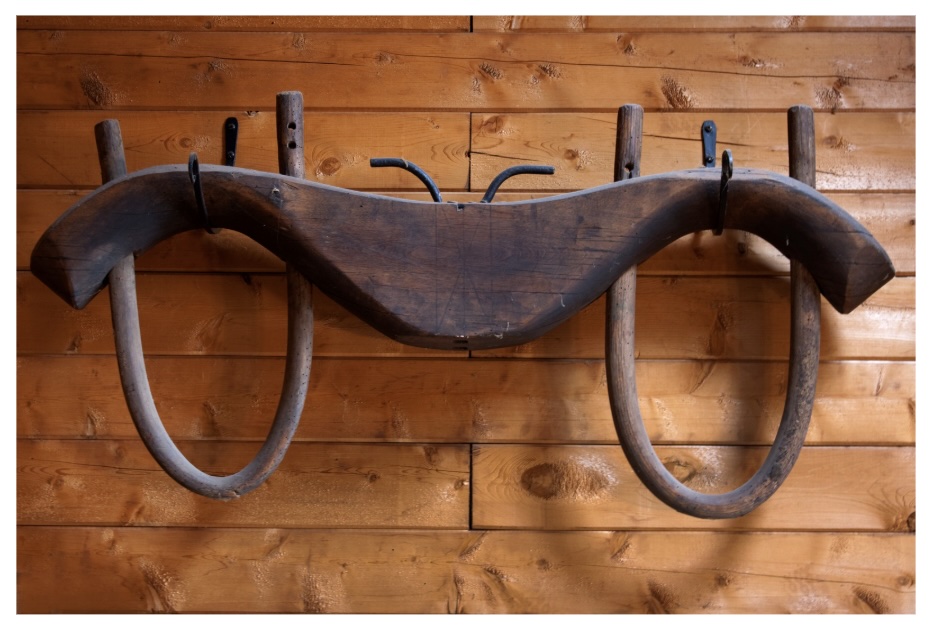
He then says: “Take my yoke upon you and learn from me.” The word “yoke” comes from the world of agriculture. It refers to the wooden frame that joins oxen to the plough or to the cart. In the Bible, the yoke can also be a symbol of slavery and oppression.
Yet Jesus speaks of His own yoke. When we humble ourselves under the yoke of Jesus, we find rest. His yoke does not crush us. It guides us. It does not enslave us. It joins us to Him.
Jesus also reveals His own nature: “I am meek and humble of heart.” These are the values of Jesus. In the Sermon on the Mount, He calls the meek blessed. Here, He presents Himself as meek and humble. He does not stand above the burdened with power. He stands beside them with gentleness.
Today’s responsorial psalm also says that the Lord is gracious and merciful. It gives us hope by reminding us that the Lord raises up those who are bowed down.
In the first reading, the prophet Zechariah announces the coming Messiah. He does not come on a warhorse. He comes riding on a donkey. He comes as a humble king. He removes weapons and proclaims peace to the nations.
In the second reading, Saint Paul invites us to live according to the Spirit. A life according to the flesh becomes heavy because it is controlled by fear, desire, pride, and self-reliance. A life according to the Spirit becomes light because it is rooted in the life of God.
Today we learn three lessons.
First, Jesus does not always remove our burdens. He teaches us how to carry them. A life without burdens is not promised to us. But a life without loneliness is promised. When we carry our burdens with Jesus, they become lighter.
Second, where there is meekness and humility, burdens do not remain heavy. Pride makes every burden heavier. Anger makes every responsibility painful. Gentleness and humility change the way we carry life.
Third, to accept the yoke of Jesus, we must share His nature. We cannot carry the yoke of Christ with a heart full of pride, violence, and resistance. We must learn from Him. We must become meek and humble of heart.
The world teaches us to carry life like Atlas, as a punishment. Jesus teaches us to carry life like the Child who holds the world with a smile.
The burden may remain. The responsibility may remain. The road may remain. But when Jesus is with us, the yoke becomes easy and the burden becomes light.
Fr. Yesu Karunanidhi
Archdiocese of Madurai
A Yesni Prays Initiative


Leave a comment