Daily Catholic Lectio
Fri, 30 January ‘26
Third Week in Ordinary Time, Friday
2 Samuel 11:1-4, 5-10, 13-17. Mk 4:26-34
On its own
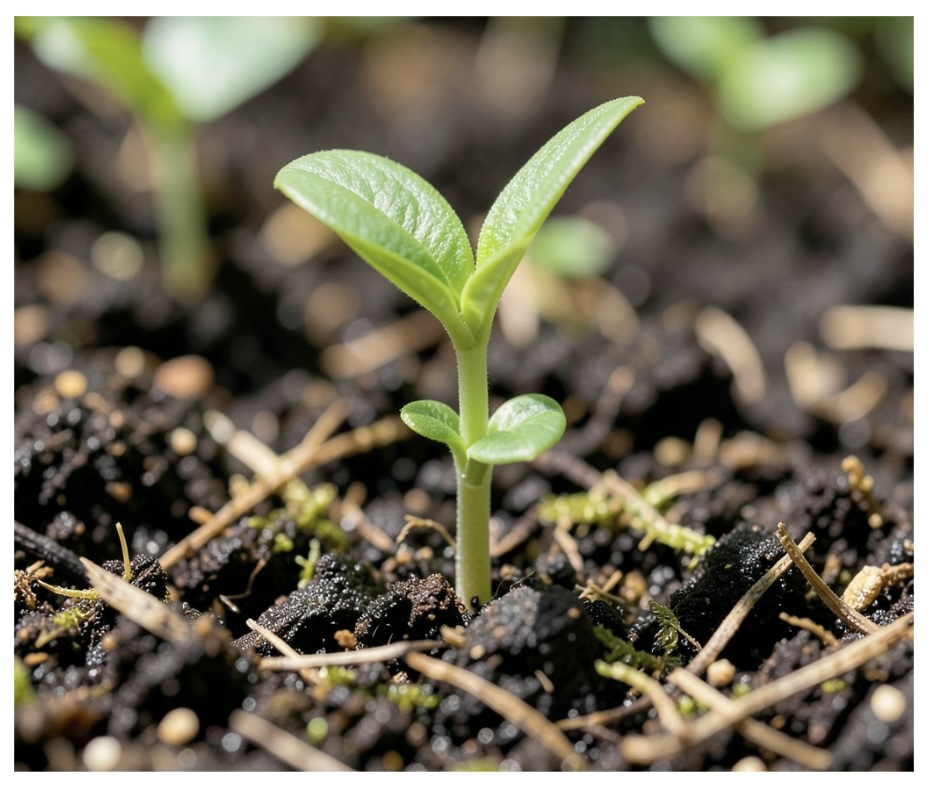
Today’s Gospel places before us two gentle but powerful parables of the Kingdom of God. Jesus speaks of a seed that grows on its own, and of a mustard seed that begins in insignificance yet becomes a great tree. Together, they reveal deep truths about God’s action, our limits, and our potential.
First, the parable of the seed growing on its own reminds us of a hard but freeing lesson: there are many things in life we cannot control. The farmer sows the seed, but then he sleeps and wakes, and the seed grows—how, he does not know. Growth happens quietly, steadily, irreversibly. Once the seed is sown, the process cannot be stopped or reversed.
We live in a world that tells us to manage everything—time, results, productivity, even people. But Jesus invites us to trust. Life itself teaches us this: we did not plan our birth, we cannot schedule our death, and some of the most beautiful moments of life come unannounced. Our hearts beat, our bodies function, creation moves forward—on its own. Faith begins when we stop trying to control everything and learn to surrender to God’s timing and God’s ways.
The second parable speaks of the mustard seed—small, almost invisible, easily dismissed. Yet within it lies enormous potential. Given time, it becomes a tree that offers shelter and life to others. Every seed carries within it the fullness of what it can become.
This raises an important question: How do we reach our full capacity? Not by force, not by pride, but by allowing God to work within us. Growth requires patience, humility, and trust. Often, we limit ourselves with fear, comparison, or past failures. But God sees more in us than we see in ourselves.
The first reading gives us a striking example in the life of David. David commits grave sins—he takes another man’s wife and arranges that man’s death. His fall is serious and painful. Yet David does not remain trapped in his sin. When confronted by the prophet Nathan, he surrenders completely to God. He acknowledges his guilt and opens himself again to grace.
David’s life teaches us that even after failure, growth is possible. Sin does not have the final word; surrender does. When David lets go of pride and control, God continues to work in him. The seed of grace, once again, begins to grow—on its own—bringing healing and renewal.
Today’s Word invites us to two acts of faith: to accept what we cannot control, and to trust the hidden potential God has placed within us.
If we sow faith, repentance, and trust, and allow God to act in His time, the Kingdom will grow—quietly, steadily, and powerfully—on its own.
Fr. Yesu Karunanidhi
Archdiocese of Madurai
Missionary of Mercy

 Yesu Karunanidhi
Leave a comment