Daily Catholic Lectio
Thu, 23 July 2026
XVI Week in Ordinary Time
Jer 2:1-3, 7-8, 12-13. Mt 13:10-17
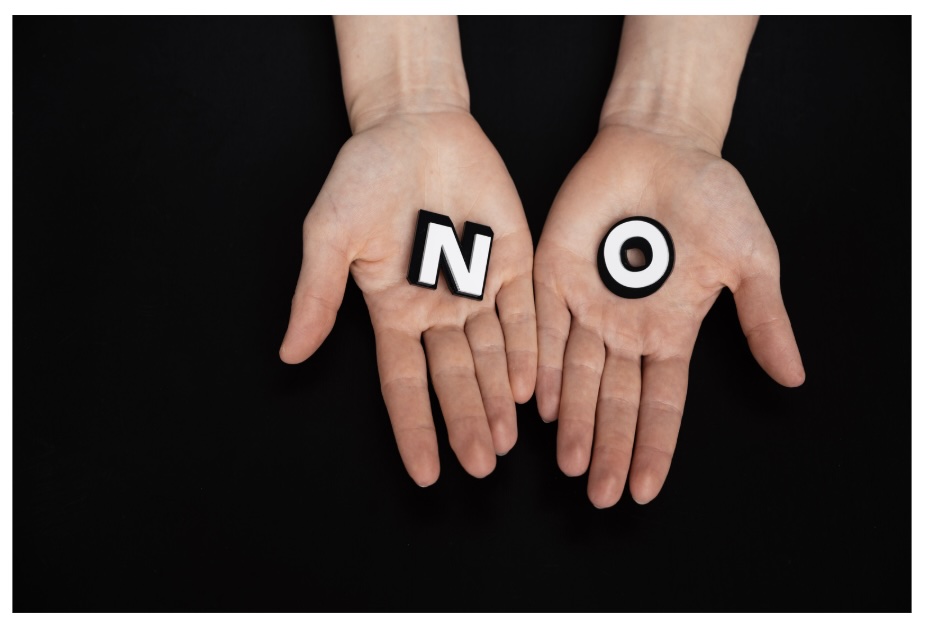
Saying Yes and No
There is a well-known story from Aesop’s fables: the story of the father, the son, and the donkey. The father and son listen to what people say on the road. At first one rides the donkey, then the other, then both, and finally they tie the donkey to a pole and carry it. The donkey becomes frightened, throws them down, and falls into a well.
The meaning of the story is this: trying to please everyone is dangerous.
The reason they tried to please everyone was that they failed to say “no” to others. There may be many moments in our life when we have failed to say “no.” There may be many times when we carried unnecessary burdens for others because we did not want to hurt their feelings.
But is saying “no” always right?
In today’s first reading, through the prophet Jeremiah, the Lord God points out the “no” spoken by the people of Israel.
“They have forsaken me, the fountain of living water. They have dug for themselves broken cisterns that can hold no water.”
This is a beautiful image. It comes from an agricultural society. Imagine that I have a garden. On one side of the garden, there is a spring of flowing water. On the other side, there is a pond or tank that does not hold water, or is shallow, or has broken walls.
If I cut myself off from the spring and connect myself to the broken tank, what will happen? The tank will dry up quickly. Or the water will flow out through the broken parts and disappear. In every case, the loss is for my garden.
Why did I reject the spring?
The spring may not have been very visible. It may have appeared small. It may not have been attractive.
But the tank looked large, wide, and deep. Yet I did not notice that it was broken.
This was the problem among the people of Israel.
The Lord God was the fountain of living water for them. Yet He remained hidden like a small spring. But the idols of other gods, their temples, and their rituals stood before their eyes and appeared attractive. Therefore, the people of Israel, especially the people of Judah, said “no” to their God and “yes” to other gods.
The priests, teachers of the law, rulers, and prophets—those who stood in positions of responsibility—said “no” to God. Others followed them.
Today, in my life, I may say “no” to broken tanks and empty ponds. But it is wrong to say “no” to God, the fountain of living water.
Saint Augustine, in his life, searched for the source of life in the tanks of intellectual pride, in the broken cisterns of bodily pleasures, and in the ponds of restless ambition. But they did not give him fulfilment. When he turned his eyes away from them, he found the fountain of living water. The moment he said “yes” to the latter, he said “no” to the former.
To say “yes” to both at the same time is dangerous. The garden will not receive water, and the water will also be wasted.
A “no” to one thing is a “yes” to another. Wisdom is to discern and choose rightly.
In today’s Gospel, Jesus explains the purpose of speaking in parables. He tells His disciples: “To you it has been given to know the mysteries of the Kingdom of heaven.” Because the disciples have chosen Jesus, they learn the mystery directly from Him. Others stand at a distance. Parables fill that distance.
Today, let us ask for the wisdom to say the right “no” and the right “yes.” Let us say “no” to broken cisterns. Let us say “yes” to the fountain of living water.
Fr. Yesu Karunanidhi
Archdiocese of Madurai
A Yesni Prays Initiative
 Yesu Karunanidhi
Leave a comment