Daily Catholic Lectio
Fri, 17 July 2026
XV Week in Ordinary Time
Isa 38:1-6, 21-22. 7-8. Mt 12:1-8
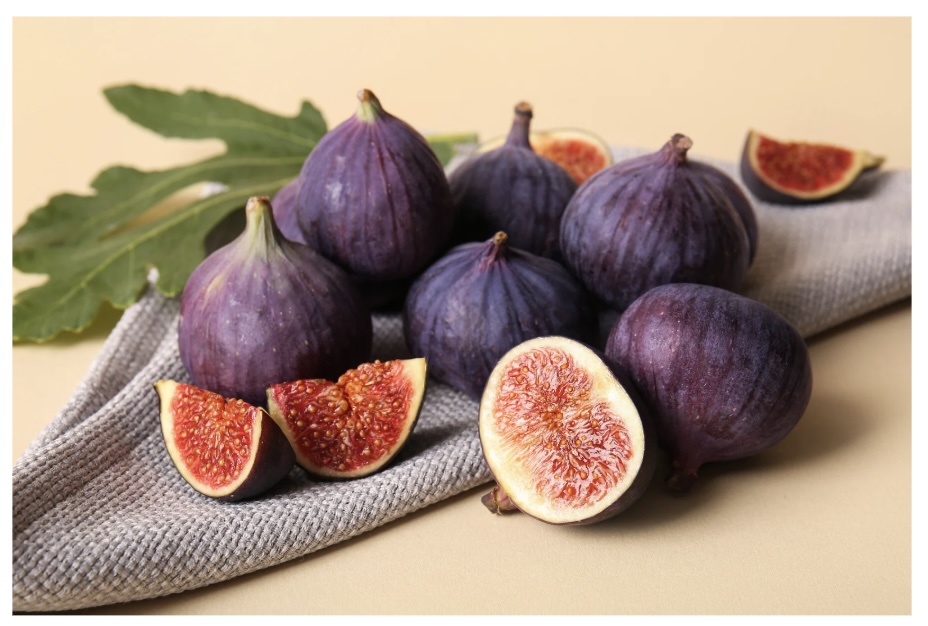
A Lump of Figs
Illness is a painful experience. It is painful for three reasons.
First, illness brings suffering. However much medicine we take, illness creates discomfort in our being and movement.
Second, illness creates dependence. It makes us depend on others: the doctor, the nurse, the one who gives food, and the one who sits near us and serves us. We know that their presence is good for us. Yet our self-respect often finds it difficult to accept such dependence.
Third, illness gives us rest, but that rest also has its own effect. Rest gives health to the body and calm to the mind. Yet during that rest, many thoughts pass through us. We remember our mistakes. We may wonder whether we are being punished for them. We may even ask whether God exists. Sometimes, because of rest, our work also begins to pile up.
In today’s first reading, King Hezekiah faces such a painful experience. The reading says: “Hezekiah became sick and was at the point of death.” The type of illness is not clearly mentioned. But from the treatment used, we may understand that he may have suffered from a wound, perhaps from battle, or from an ulcer connected with age. Isaiah says: “Bring a lump of figs and apply it to the boil, that he may recover.” In ancient Egyptian medicine, a dried lump of figs was used to heal the burning, itching, and swelling of wounds.
Before this healing, Isaiah had told Hezekiah: “Set your house in order, for you shall die and not live.” God gives only a few people the time to set their house in order. Therefore, we must always keep our house in order. Here, setting the house in order may refer to arranging royal matters and handing over the secrets of the treasury and the army.
Hezekiah immediately prays to the Lord. The Lord hears his prayer. He answers: “I have heard your prayer. I have seen your tears. I will heal you.” God gives him fifteen more years. As a sign, the shadow on the sun-dial goes back ten steps.
The song of Hezekiah, which follows this event, is also used in the Liturgy of the Hours and forms today’s responsorial psalm. Hezekiah says:
“In the middle of my days I must depart.”
“My dwelling is pulled up and removed from me like a shepherd’s tent.”
“Like a weaver, I have rolled up my life; He cuts me off from the loom.”
“O Lord, I trust in you. Restore me to health and let me live.”
“You have changed my bitter experience into well-being.”
Here we see two beautiful images of death.
The first is the tent that is removed. Our body and our dwelling in this world are only temporary tents.
The second is being cut off from the loom. When the thread is finished, the movement of the loom stops. Like a loom, we keep moving here and there in life, until our thread is cut.
Illness and weakness give us an opportunity to think about the shortness of life.
During his illness, Hezekiah did not look only at himself. He looked towards God. God saw his tears and heard his prayer. He is the one who sees our tears and hears our prayer. He is the God who sees us.
In today’s Gospel, the Pharisees take offence because the disciples pluck heads of grain on the Sabbath. Jesus corrects their understanding. Mercy is greater than sacrifice. The Sabbath is meant for the well-being of the human person.
The first reading shows God who heals through a lump of figs. The Gospel shows Jesus who heals our understanding of law, rest, and mercy.
God sees our illness. God sees our tears. God sees our hunger. God sees our need.
A lump of figs becomes a sign of healing. A few heads of grain become a sign of mercy. In both readings, God reminds us that life is more important than fear, mercy is greater than rule, and healing is His gift.
When we fall ill, when we become weak, when we feel dependent, let us not lose heart. Let us turn our eyes to the Lord.
He sees our tears. He hears our prayer. He turns our bitter experience into well-being.
Fr. Yesu Karunanidhi
Archdiocese of Madurai
A Yesni Prays Initiative


Leave a Reply