Daily Catholic Lectio
Tue, 7 July 2026
XIV Week in Ordinary Time
Hos 8:4-7, 11-13. Mt 9:32-38
Two Types of Harvest
(a) Background and Meaning of the First Reading
The prophet Hosea preached in the northern kingdom of Israel in the eighth century before Christ. He condemned the political corruption, idolatry, and religious compromise that were present among the people.
Hosea warns that their self-willed actions, political compromises, and religious infidelity will lead them into Assyrian captivity.
The first problem is political betrayal. After the death of Jeroboam II, the people of Israel chose kings for themselves without seeking the will of God. Their political life was no longer rooted in the covenant.
The second problem is religious corruption. Hosea speaks of the calf of Samaria and the many altars that had become occasions of sin. The worship of the calf was connected with the fertility cult of Baal. Places that were meant for the worship of the Lord were now being used for false worship and religious compromise.
The prophet then gives the law of harvest: “They sow the wind, and they shall reap the whirlwind.” Israel’s actions in the religious, political, and social spheres will become empty and destructive. What they sow in emptiness, they will reap in ruin.
Hosea also speaks of returning to Egypt. Egypt is a symbol of slavery. By turning away from the Lord, Israel will return to a new form of slavery, this time under Assyria.
Thus the first reading presents one kind of harvest: the harvest of emptiness. When people sow corruption, idolatry, injustice, and self-will, they cannot reap peace. They reap confusion, loss, and slavery.
(b) Background and Meaning of the Gospel
In today’s Gospel, Jesus heals a man who is possessed by a demon and unable to speak. When the demon is driven out, the man begins to speak.
The crowds are amazed and say: “Nothing like this has ever been seen in Israel.” They recognise the newness of what God is doing through Jesus.
But the Pharisees accuse Him: “He drives out demons by the prince of demons.” This accusation marks the beginning of a deeper conflict between Jesus and His opponents.
Jesus does not react with anger. He does not stop His mission because of their criticism. Instead, He turns His eyes towards the people.
He sees the crowds harassed and helpless, like sheep without a shepherd. This image recalls the Old Testament, where Israel is sometimes described as a people without a shepherd. Without true leaders, the people are scattered, tired, and spiritually hungry.
Jesus is moved with compassion. His compassion is not only an emotion. It becomes mission. He teaches, heals, and announces the Kingdom.
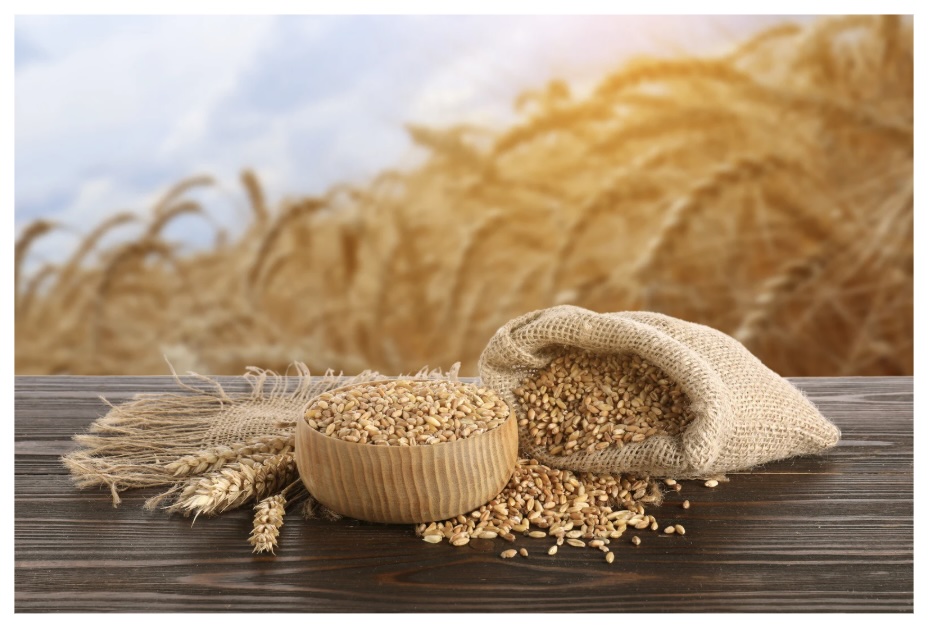
Then He says to His disciples: “The harvest is abundant, but the labourers are few.” Here the harvest is different from the one in Hosea. It is not the harvest of destruction. It is the harvest of salvation.
Jesus sees the spiritual need of the people as a field ready for harvest. The people are waiting for healing, guidance, mercy, and the good news of the Kingdom.
(c) Challenges for Life
Today’s readings present two types of harvest.
In the first reading, Hosea warns the people that they will harvest emptiness. They have sown the wind and will reap the whirlwind. Their political betrayal, religious compromise, and moral failure will lead them into slavery.
In the Gospel, Jesus speaks of another harvest. Moved by compassion, He sees the spiritual hunger of the people and speaks of the harvest of salvation.
In both readings, the people are like sheep without a shepherd. In Hosea, they are misled by false worship, poor leadership, and self-made choices. In the Gospel, they are harassed and helpless, waiting for the shepherding care of God.
The question for us is simple: what kind of harvest are we preparing?
If we sow pride, selfishness, corruption, and indifference, we cannot expect peace. If we sow truth, compassion, justice, and faith, we become part of the harvest of God.
The Gospel also challenges our way of seeing good works. When someone does good among us, do we admire and appreciate it, like the crowds? Or do we become suspicious and find fault, like the Pharisees?
The Pharisees saw a healing and turned it into an accusation. Jesus saw wounded people and turned His compassion into mission.
Today, let us ask for the eyes of Jesus. Let us see people not as problems, but as persons in need of care. Let us not sow the wind through empty actions. Let us become labourers in the Lord’s harvest.
The harvest of emptiness comes from life without God. The harvest of salvation comes from compassion, faith, and service.
Fr. Yesu Karunanidhi
Archdiocese of Madurai
A Yesni Prays Initiative


Leave a comment