Daily Catholic Lectio
Fri, 29 May 2026
Eighth Week in Ordinary Time
1 Pet 4:7-13. Mk 11:11-26
Faith in God
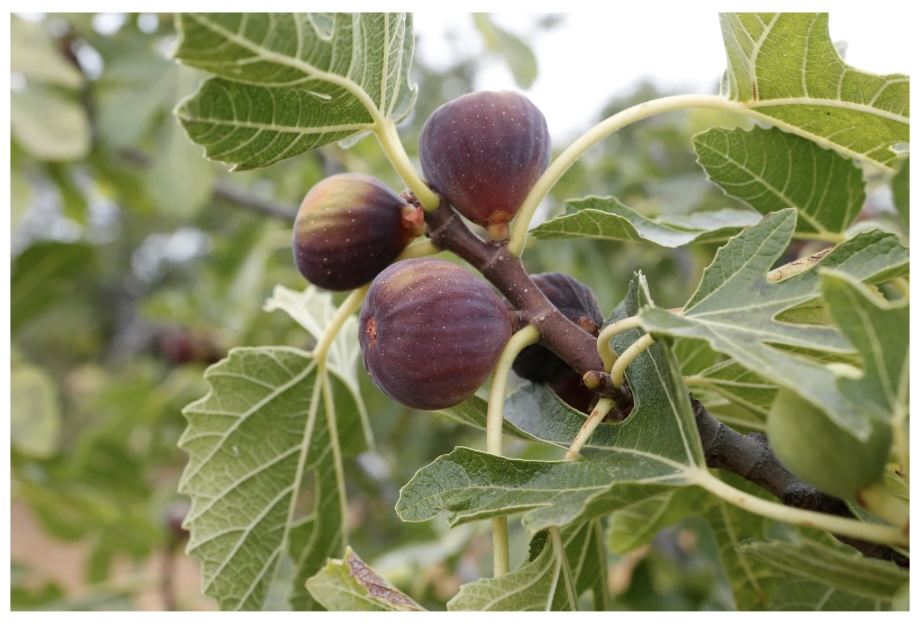
In today’s Gospel, three events take place. First, Jesus curses a fig tree because it has no fruit. Second, He enters the Temple of Jerusalem and cleanses it. Third, the fig tree that Jesus cursed is found withered. This final event becomes the occasion for Jesus to teach about faith and prayer.
At first sight, the action of Jesus toward the fig tree may trouble us. The evangelist Mark even says that it was not the season for figs. Why then does Jesus curse the tree? This event should not be read only at the level of nature. It has a deeper spiritual meaning. In Jewish tradition, the fig tree often represented the Torah, the Law, and the religious life of Israel. Jesus is hungry. He looks for fruit. But He finds only leaves. The tree has appearance, but no fruit. It stands, but it does not nourish. It promises, but it does not give.
Between the two fig tree scenes, Mark places the cleansing of the Temple. This is an important literary arrangement. The fig tree helps us understand the Temple, and the Temple helps us understand the fig tree. The Temple was meant to be a house of prayer for all nations. But it had become a place of business, noise, and self-interest. Its purpose had been lost. Like the fig tree, it had leaves but no fruit.
When Jesus cleanses the Temple, He is not merely correcting an abuse. He is revealing the true meaning of worship. Prayer is not commerce. Worship is not external show. Religion is not a system that protects itself. True worship must lead to faith, mercy, forgiveness, and fruitfulness.
Later, Peter sees the withered fig tree and says, “Rabbi, look! The fig tree that you cursed has withered.” Peter calls Jesus “Rabbi.” Though he has already confessed Jesus as the Messiah, here he still sees Him as a teacher. Jesus then gives the heart of today’s message: “Have faith in God.”
These words are simple, but they are deep. Faith in God is not merely believing that God exists. It is trusting Him. It is placing our life in His hands. It is allowing God to become the centre of our prayer, our worship, our relationships, and our choices.
Jesus then speaks about prayer. He says that when we pray, we must believe that we have received what we ask for. Prayer is not empty repetition. It is not a ritual without the heart. Prayer is faith speaking to God. Prayer is the soul standing before God with trust. When the house of prayer becomes a den of thieves, Jesus cleanses it. In the same way, when prayer becomes empty, He purifies it and brings it back to faith.
But Jesus adds one more important thing: forgiveness. “Whenever you stand praying, forgive.” This means that faith in God cannot be separated from forgiveness of others. A heart that holds anger cannot pray freely. A heart that refuses mercy cannot receive mercy deeply. Faith opens the heart to God; forgiveness opens the heart to others.
The first reading from the First Letter of Peter shows how faith must become action. Peter tells the believers to be clear-minded, to love one another, to be hospitable, and to use their gifts in the service of others. Faith is not hidden inside the heart alone. It becomes visible in love, hospitality, service, and courage in suffering.
A person who has faith in God bears fruit even in difficult seasons. A person without faith can turn even the house of God into a place of selfishness. A person with faith prays with trust, forgives with humility, and serves with generosity.
Today we also remember Pope Saint Paul VI. He guided the Church through the closing of the Second Vatican Council and helped the Church look again toward God and toward the world with eyes of faith. He taught us that faith does not make us escape the world. Faith helps us see the world with God’s light.
Today, Jesus says to us: “Have faith in God.” Let this word become our invitation. Let our worship bear fruit. Let our prayer become trust. Let our faith become love. Let our hearts become houses of prayer, and let our lives become trees that give fruit for others.
Fr. Yesu Karunanidhi
Archdiocese of Madurai
A Yesni Prays Initiative
 Yesu Karunanidhi
Leave a comment