Daily Catholic Lectio
Tue, 10 February ‘26
Fifth Week in Ordinary Time, Tuesday
1 Kgs 8:22–23, 27–30. Mk 7:1–13
With God’s Eyes
The Gospel opens with a sharp clash between Jesus and the religious leaders of his time. The Pharisees and the scribes are disturbed because Jesus’ disciples eat without the ritual washing of hands. For them, holiness rests on three pillars: fidelity to the tradition of the elders, emphasis on external cleansing, and strict observance of rituals.
Jesus does not enter into a technical argument about handwashing. Instead, he shifts the whole question. He speaks of a deeper vision of holiness: fidelity to the commandment of God, concern for interior purity, and the courage to go beyond rituals when they obscure God’s will. What matters is not what touches the hands, but what shapes the heart.
At first sight, the distinction between clean and unclean is cultic and religious. Yet, as history shows, it easily slips into social discrimination. Those who belong are considered “clean”; those who do not are labelled “unclean.” Religion then becomes a tool for exclusion rather than communion. Jesus exposes this danger. By insisting on the heart, he calls us to see people not through inherited categories, but through God’s compassion.
The first reading offers a striking complement. King Solomon dedicates the newly built Temple in Jerusalem. Standing between the altar and the people like a priest, he intercedes for them and prays: “May your eyes be open night and day toward this house.” Solomon knows that the Temple is not meant to confine God, but to be a sign of God’s attentive presence. When God’s eyes rest upon the people, they live and prosper; when they turn away from God, they falter.
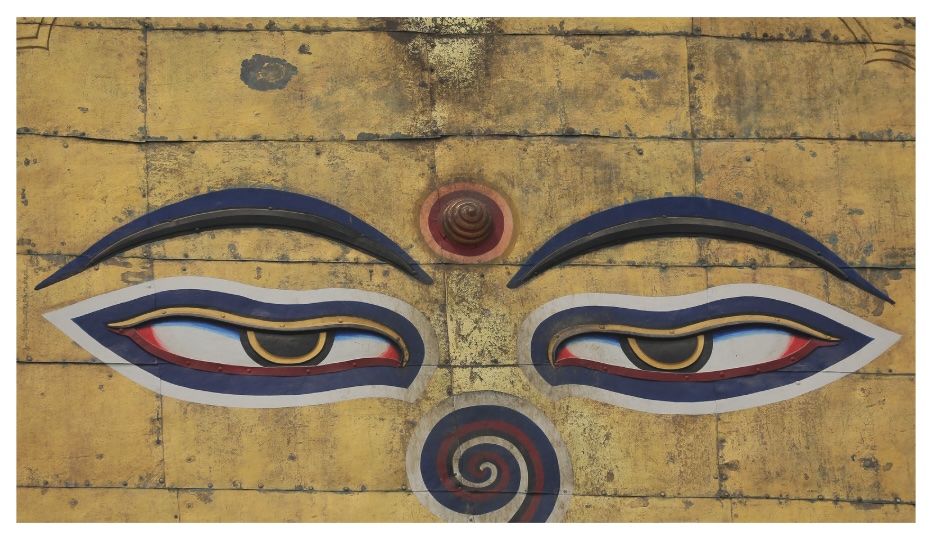
This image of God’s eyes is crucial. To live under God’s gaze is not to live in fear, but in grace. God’s eyes are eyes of mercy, truth, and fidelity. And when we begin to see with God’s eyes, our own way of judging changes.
That is the invitation of today’s Word: to see with God’s eyes. When we see with God’s eyes, we move beyond rigid divisions of clean and unclean. We look not at appearances, but at intentions; not at labels, but at persons. Rituals regain their true meaning—not as walls that separate, but as pathways that lead us to love God and neighbour more deeply.
May this Eucharist help us to stand, like Solomon, between God and the world in prayer, and to walk, like Jesus, among people with hearts purified by compassion. Seeing with God’s eyes, may we become less quick to judge and more ready to love.
Fr. Yesu Karunanidhi
Archdiocese of Madurai
Missionary of Mercy

 Yesu Karunanidhi
Leave a comment