Daily Catholic Lectio
Wed, 4 February ‘26
Fourth Week in Ordinary Time, Wednesday
Saint John de Britto, Memorial (India)
2 Sam 24:2, 9-17. Mk 6:1-6
Returning Home
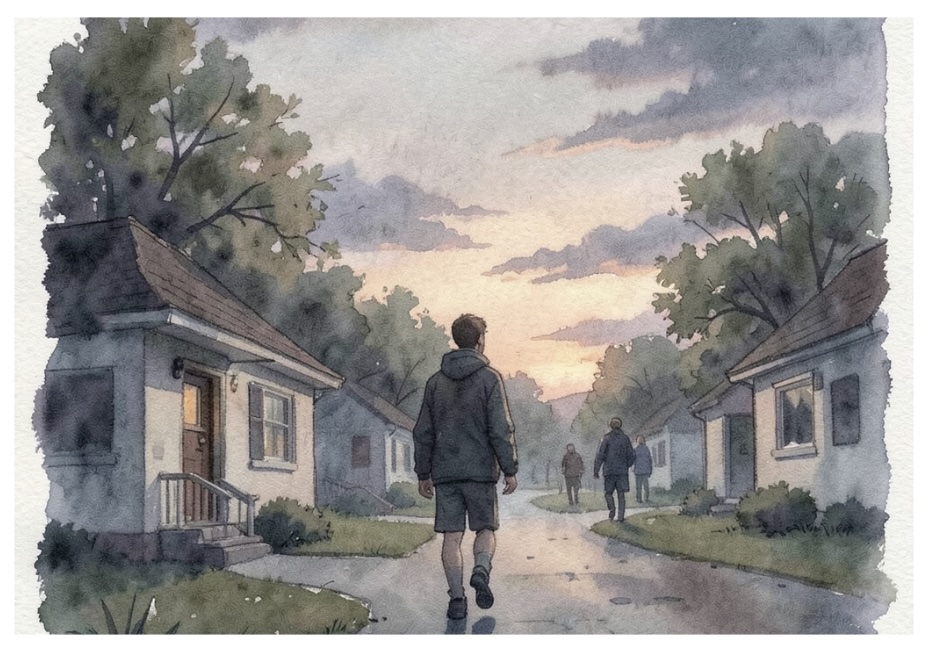
In the Gospel today, Jesus comes home. Not as a stranger, not as an outsider—but as one of their own. By now, Jesus is known as a powerful preacher and healer. Villages have witnessed his miracles; crowds have followed him like a hero. Yet, when he returns to Nazareth, the place that knows him best, he is reduced to a zero. His own people reject him.
Mark records three painful realities:
First, they take offence at his humble origin. They say, “Is he not the carpenter, the son of Mary?” They cannot accept the present work of God because they are trapped in the past. There is a saying: those who refuse your present will dig into your past. Unable to accept his wisdom and power, they mock his birth and background—perhaps even ridiculing the mystery of his virginal origin. Familiarity becomes a barrier to faith.
Second, their lack of faith limits God’s action. Mark tells us that Jesus could work no miracles there, except curing a few sick people. This is striking. It is not that Jesus lacked power; rather, unbelief closed the doors of grace. Faith and miracles walk together. Even God respects human freedom. Our disbelief can paralyze divine generosity.
Third, Jesus moves on. He does not argue, retaliate, or withdraw from his mission. He simply goes to other villages and continues teaching. Rejection does not define him; mission does. This is a powerful lesson for us: we must not allow the opinions of others—especially those closest to us—to imprison our calling.
The theme of coming home touches something deep in all of us. We do not choose our home, our parents, or our roots—they are given to us. Home knows us completely: our strengths and our wounds, our successes and our failures. Like parents, home sees us as we truly are. To be reconciled with our roots is to be reconciled with ourselves. When we make peace with our home, we make peace with the world.
The first reading presents a painful contrast. King David, toward the end of his life, orders a census of his army—his third great sin. He begins to trust numbers and power rather than God. When punishment comes, the people suffer. David distances himself from his own people, almost disowning them. Like many leaders, he starts well but ends selfishly. Home becomes a place he fails to protect. The reading warns us: when leaders forget their roots and their people, the innocent pay the price.
Against this background shines the witness of St. John de Britto (Arulanandar), whose memorial we celebrate in India today. Unlike Jesus, he leaves his home in Portugal. But he does so not to escape, but to embrace another home—Madurai and Sivagangai—as his own. He takes on the culture, the language, the lifestyle of the people. Ultimately, he lays down his life on Tamil soil.
In his final letter, written from prison just days before his martyrdom, he speaks not with fear, but with longing—to offer his life as the final return gift for his mission. What inner freedom and courage that reveals! He leaves his birthplace but finds his true home in God’s people.
Today’s Word invites us to ask: How do I respond when I am misunderstood at home? Do I allow rejection to stop my mission? Am I reconciled with my roots, my people, my story?
Jesus teaches us to come home with humility, to accept rejection without bitterness, and to continue the journey with faith. St. John de Britto teaches us that sometimes, to truly come home, we must be willing to leave everything behind for love.
Fr. Yesu Karunanidhi
Archdiocese of Madurai
Missionary of Mercy
 Yesu Karunanidhi
Leave a comment