Daily Catholic Lectio
Wed, 15 Oct ‘25
Twenty-Eighth Week in Ordinary Time, Wednesday
Romans 2:1–11. Luke 11:42–46
Hypocrisy
“To make what does not appear as though it is — that is hypocrisy. And its root is pride.”
In yesterday’s Gospel, Jesus gently began correcting the Pharisees. But today, His tone becomes sharper and more direct. He denounces their hypocrisy, their arrogance, and their double standards.
They meticulously observed external rituals but neglected the interior values that gave those rituals meaning. They prided themselves on being righteous, yet they burdened others with heavy moral loads they themselves would not carry. They loved the front seats in synagogues and the respectful greetings in marketplaces.
Jesus compared them to unmarked tombs — beautiful outside but decaying within. Tombs, no matter how ornate, are symbols of death. They appear grand, yet inside they hold only rot and silence. Likewise, the Pharisees appeared holy but were spiritually lifeless.
In essence, Jesus tells them: you pretend to be what you are not — and that is pride. True holiness lies in authenticity, not appearance.
The Disease of Hypocrisy and Pride
Hypocrisy begins when our outward behaviour no longer reflects our inner truth.
It thrives when we care more about how others see us than how God sees us. Pride feeds this hypocrisy — it makes us believe we must always appear right, strong, and superior.
But pride blinds us. It makes us unable to see our need for grace. The humble person, however, recognizes both strength and weakness — and knows that everything comes from God.
Paul, in the first reading (Romans 2:1–11), warns the community not to judge others. “You condemn yourself when you pass judgment,” he says. God’s judgment is impartial; He sees the heart, not appearances. Those who live truthfully before God — without pretension — receive glory, honour, and peace.
A life without hypocrisy is not a flawless life, but an honest one. It is the life that says, “I am what I am by the grace of God.”
The Witness of St. Teresa of Avila
Today we celebrate St. Teresa of Avila, Doctor of the Church and reformer of the Carmelite Order. She was a woman of deep prayer, sharp intellect, and radiant humility. Her famous work, The Interior Castle, describes the soul as a dwelling place of God, a castle with many rooms — and the journey of prayer as entering deeper and deeper into that interior space. For Teresa, holiness begins not in outward devotions but in self-knowledge: “Know yourself, and you will know God.”
She once said, “Prayer is nothing but being on terms of friendship with Him who we know loves us.” She encouraged her sisters to pray in their own words, to speak to God honestly, without pretension or masks.
Teresa was also known for her humour and self-awareness. She admitted that sometimes she felt like a lion, strong and confident, and other times like an ant, weak and small. Yet she accepted both realities — her strength and her fragility — with gratitude. In that honesty lay her sanctity.
To walk in her path is to seek holiness not through perfection, but through authenticity — to live truthfully before God, without false fronts or pride.
A Call for Us
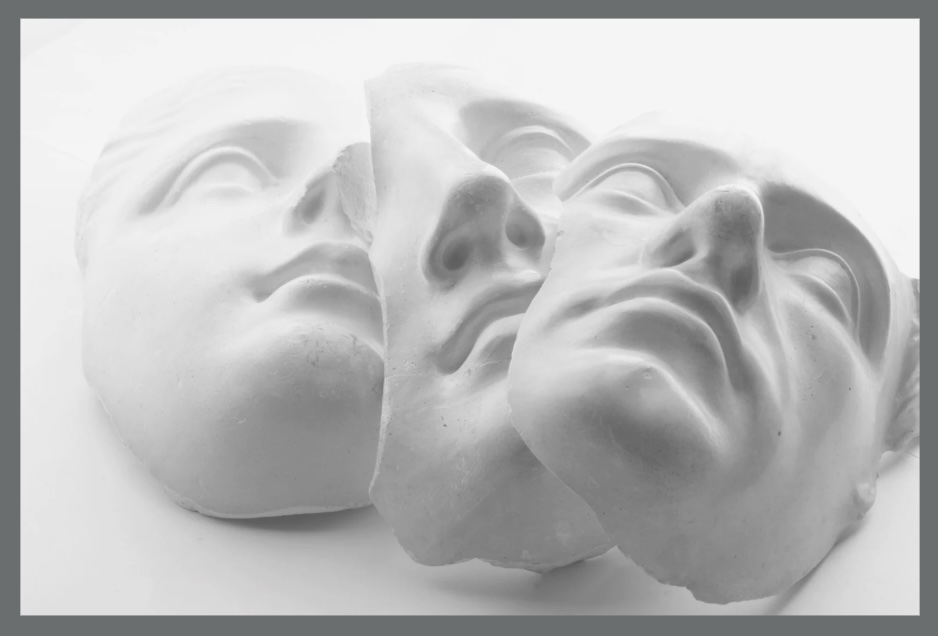
Today’s Word invites us to three simple movements: (a) Enter your inner castle. Holiness begins with self-awareness. Let us have the courage to face our truth before God — our pride, our pretence, our emptiness — and allow His grace to fill it. (b) Live without masks.
Let our words and deeds be one. Let us not live for approval or applause, but in quiet honesty before the Lord. (c) Walk humbly. Pride makes us rigid; humility makes us free. The humble heart reflects God’s beauty more than any external show of religion.
Fr. Yesu Karunanidhi
Archdiocese of Madurai
Missionary of Mercy

 Yesu Karunanidhi
Leave a comment