Daily Catholic Lectio
Thu, 7 Aug ‘25
Eighteenth Week in Ordinary Time, Thursday
Numbers 20:1–13. Matthew 16:13–23
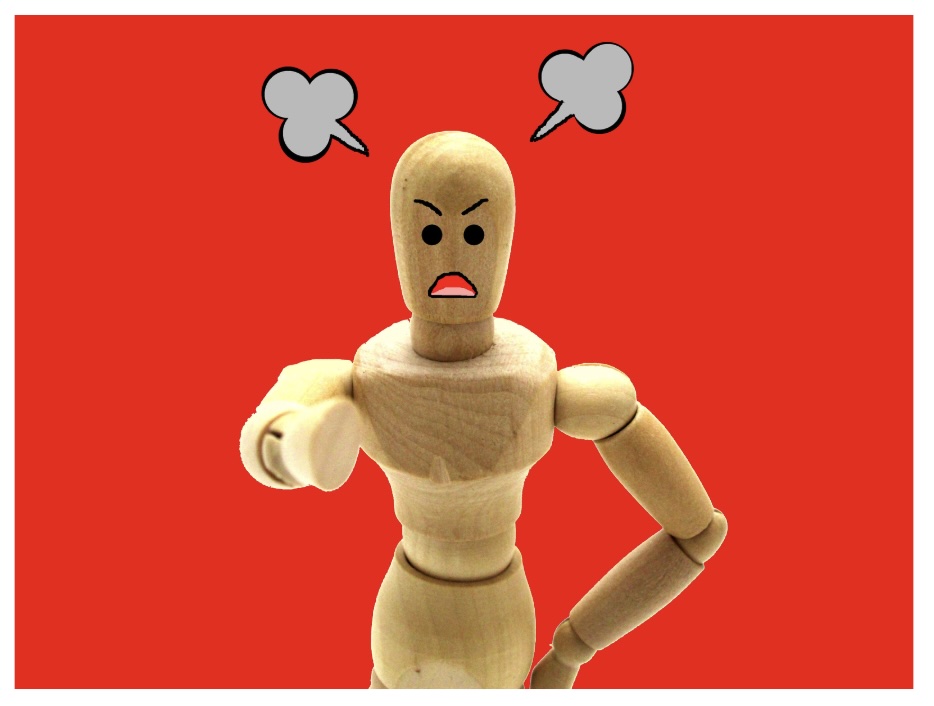
The Rebuke of God
Both the First Reading and the Gospel Reading today bring before us a striking and challenging theme: God’s rebuke. And those being corrected are no ordinary people. In the First Reading, the one rebuked is Moses, the great leader and father of Israel. In the Gospel, it is Peter, the chosen leader of the Church, the New Israel.
Why were they rebuked?
In the First Reading, the people of Israel reach Meribah. There is no water. They thirst and grumble. God listens to their cry and commands Moses: “Take your staff. You and your brother Aaron assemble the community. In their sight, speak to the rock and it will yield water.” But poor Moses! Whether he didn’t clearly understand or simply reacted in frustration, he strikes the rock twice instead of speaking to it. God said, “Speak to the rock.” Moses struck it. Perhaps he wondered, “How can water come just by speaking?”
In God’s eyes, this was disobedience, and it diminished His holiness before the people. Because of this, Moses (and Aaron) were denied entry into the Promised Land flowing with milk and honey.
This feels harsh. Couldn’t God overlook a small mistake in someone like Moses, who had worked so faithfully and performed mighty wonders?
Peter’s Rebuke in the Gospel
In the Gospel, Jesus asks His disciples, “Who do you say I am?” Peter answers with great faith: “You are the Christ, the Son of the living God!” Jesus praises him. But the very next moment, Jesus speaks of His coming suffering, and Peter tries to stop Him. He cannot imagine a Messiah who suffers. Jesus turns to him and says, “Get behind me, Satan!”
Peter misunderstood the way of the Cross. He wanted glory without suffering. He loved Jesus but didn’t yet grasp the cost of discipleship.
Both the rock and the ‘Rock’ are struck
Moses strikes the rock—and water flows.
Peter, the ‘rock’, is struck by the rebuke of Jesus—and he weeps.
Both stories show us the painful but necessary correction from God. What is God teaching us through His rebuke?
1. Good deeds cannot cancel out disobedience. There is no compromise with God. Moses’ earlier miracles did not justify his later mistake. Peter’s earlier confession did not shield him from rebuke. We cannot say: “I cheat in business but I give to the poor, so it balances out.” God sees through our compromises.
2. Leadership needs patience and discernment. Moses lost patience and struck the rock. Peter, impatient and emotional, misunderstood Christ’s mission. A leader must listen deeply to God’s way, not merely act on impulse.
3. God’s ways are not ours. Sometimes, God seems to overlook serious sins. At other times, He punishes what seems like a minor error. This humbles us. We realize we cannot reduce God to our logic. He is always just, but His justice is higher than our understanding.
God places gentle taps—or sometimes hard knocks—on our heads so we remember: we are human. We act out of hurry, misunderstanding, or narrow vision. In those moments, God corrects us, not out of anger, but love.
Let us pray:
Lord, when You correct us, help us to receive it with humility. May we learn from Moses and Peter—to obey more carefully, to trust more deeply, and to follow You with patience and understanding. Amen.
Fr. Yesu Karunanidhi
Archdiocese of Madurai
Missionary of Mercy
 Yesu Karunanidhi
Leave a comment