Daily Catholic Lectio
Mon, 7 July ‘25
Fourteenth Week in Ordinary Time – Monday
Genesis 28:10-22a. Matthew 9:18-26
Grace of Inner Dialogue
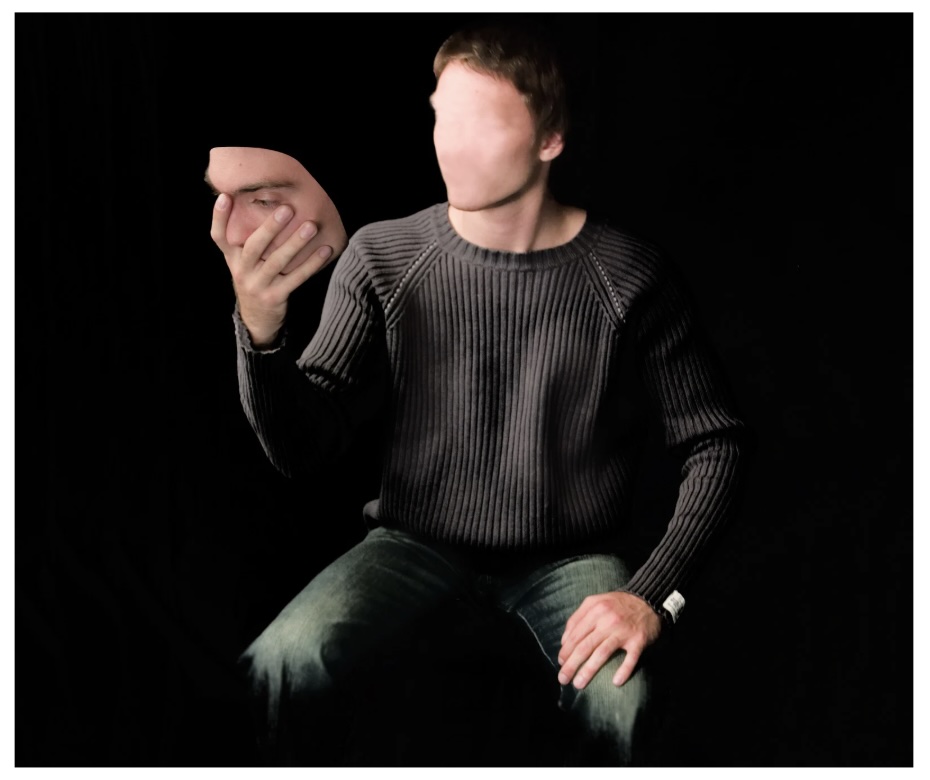
Every day, from the moment we wake up until we go to sleep—and even in our dreams—we are constantly talking to someone: ourselves. Yes, the person I speak with the most each day is me. And the same is true for you.
One of the priests I once lived with used to say, “I hear voices.” He meant that he often hears his own thoughts speaking to him. We all do. Some voices within us are encouraging; others are critical. These inner conversations shape how we live, believe, and relate with God.
In both readings today, we encounter people who speak to themselves and, through that self-talk, come to an experience of God.
1. The Woman Who Believed in Her Heart (Matthew 9:18–26)
In the Gospel, a woman who had suffered from bleeding for twelve years says to herself, “If only I touch His cloak, I will be healed.” She doesn’t say this aloud. She whispers it to her own soul. And that silent belief becomes her turning point. Jesus, recognizing her faith, tells her: “Take heart, daughter; your faith has made you well.”
Here is a woman abandoned by doctors and pushed to the margins of society, yet she turns inward to the voice of hope. And that voice leads her to healing.
2. Jacob’s Awakening to God’s Presence (Genesis 28:10–22a)
In the first reading, Jacob is on the run, escaping from home after deceiving his brother. He stops to rest in a lonely place and dreams of a ladder reaching to heaven, with angels going up and down. When he awakens, he says to himself, “Truly the Lord is in this place—and I did not know it.”
Jacob speaks not to others, but to his own heart. And in doing so, he recognizes God’s nearness in a moment of fear and isolation.
3. The Power of Inner Speech
In psychology, this is called autosuggestion. It means giving yourself messages—encouraging, reminding, correcting. You speak to yourself as a friend, a guide, a believer. This is not imagination; it is the soul reasoning with faith.
Just as a building first takes shape in the mind of the architect, healing and transformation often begin in the silence of our heart. The woman in the Gospel saw her healing before she touched Jesus. Jacob realized the presence of God before he built the altar.
Likewise, the Prodigal Son in Luke 15 “came to his senses” when he started talking to himself: “How many of my father’s servants have food to spare, and here I am starving?” His self-talk led to his return home.
4. Solitude and Grace
Self-talk is fruitful when it is rooted in faith and silence. Sit alone for a few minutes each day. Let your heart speak. That solitude becomes your Bethel—a place where you encounter God.
The woman in the Gospel finds healing not in the crowd, but in her personal act of faith. Jacob finds God not in the temple, but in the wilderness. Grace often comes in quiet moments.
5. The Journey Within Is the Journey to God
The German philosopher Schopenhauer once said, “We can only go where our mind leads us.” If your thoughts are filled with fear, you will walk in fear. But if your thoughts are rooted in hope, you will walk in courage. That is why Saint Paul tells us, “Be transformed by the renewal of your mind” (Romans 12:2).
Let us learn to talk to ourselves as Jesus would talk to us: gently, truthfully, hopefully.
In conclusion, the journey of faith is not always loud or public. Sometimes it begins with a whisper in the heart: “If I only touch His cloak…” “Surely God is here…” “I will arise and go to my Father…”
May we find God in those quiet conversations of the soul.
Fr. Yesu Karunanidhi
Archdiocese of Madurai
Missionary of Mercy
 Yesu Karunanidhi
Leave a comment