Daily Catholic Lectio
Tue, 24 June 2025
Nativity of St John the Baptist – Solemnity
Isaiah 49:1-6. Acts 13:22-26. Luke 1:57-66, 80
The Purpose of Birth
“What then will this child become?” (Luke 1:66)
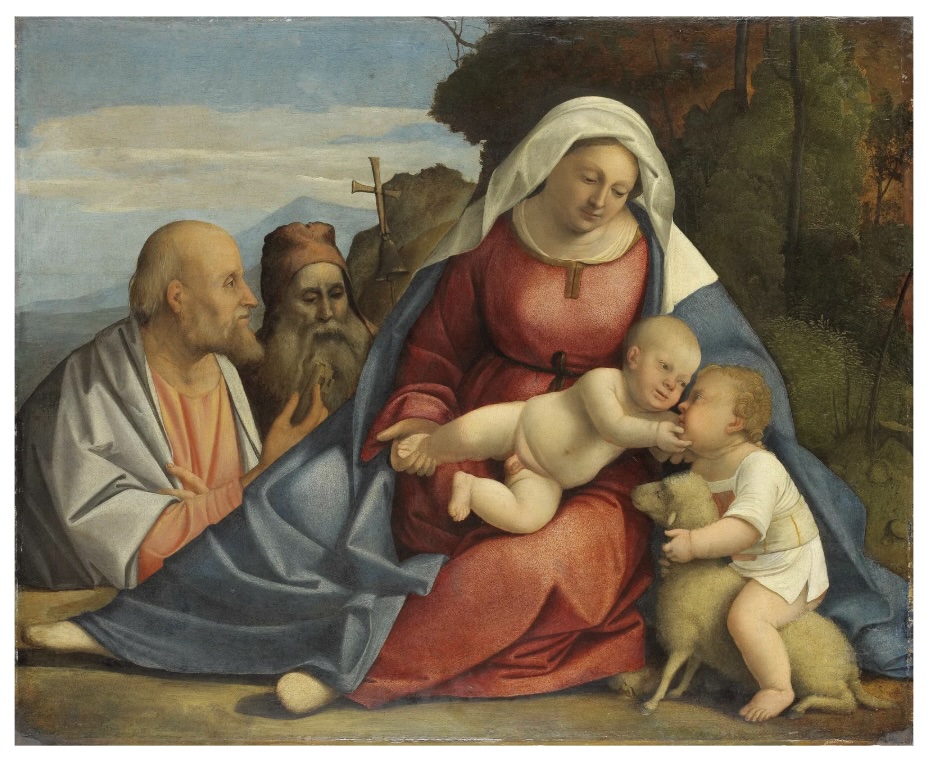
The Church celebrates only three birthdays in her liturgical calendar: Jesus, Mary, and John the Baptist. Today’s Gospel (Luke 1:57–66, 80) recounts the birth and naming of John the Baptist.
“What then will this child become?”
This was the wondering question in the hearts of all who knew Zechariah and Elizabeth.
The answer to that question is found later in Zechariah’s canticle: “You, child, will be called the prophet of the Most High. You will go before the Lord to prepare His ways, to give His people knowledge of salvation by the forgiveness of their sins.”
On this feast of the birth of John the Baptist, we reflect on a few lessons from his life:
(1) He revealed his mission through his actions. Unlike Jesus, who often chose to keep His identity hidden, John the Baptist lived in a way that made his purpose clear. His actions proclaimed who he was. He did not leave people guessing—he openly said, “This is who I am.”
(2) He was contented with being second. In a world that craves being first, we often pretend to be more than we are. But when people asked John, “Are you the Messiah?” he clearly replied, “No.” He humbly identified himself as the one “unworthy to untie the sandals” of the One to come. He likened himself to the friend of the bridegroom who rejoices in the groom’s joy, never stealing the spotlight. His mother Elizabeth must have understood this, knowing that her son’s role would always remain that of a forerunner. John teaches us: there is nothing wrong in being second.
(3) Actions reveal priorities. Dreams and intentions alone do not fulfil our purpose. If I want to become a writer, I must write—a little each day. Desire alone is not enough. John the Baptist lived his priorities. He withdrew into the wilderness—that was his call. He ate locusts and wild honey—this was his chosen lifestyle. He wore camel’s hair—his simplicity. He baptized people—that was his mission. He laid down his life—that was his destiny. He did not simply dream of being the forerunner of the Messiah—he lived it. We are invited to review our own priorities and align our actions to our true calling.
(4) Joy. John leapt for joy in his mother’s womb. His birth brought joy to his relatives. He described himself as the friend who stands by the bridegroom and rejoices to hear his voice.
The same question the people asked about John—“What will this child become?”—is one we too ask in different ways:
“Is this really me?”
“Is this my true vocation?”
“Am I on the right path?”
“What is my deepest identity?”
May this holy saint intercede for us as we search for answers.
In today’s first reading (Isaiah 49:1–6), the prophet Isaiah laments: “I have laboured in vain, I have spent my strength for nothing.”
Yet even in this seeming failure, Isaiah remembers: “My reward is with my God.”
Even when we don’t see the fruits of our mission, we are reminded of a deeper truth—God has called and formed us from the womb for His purpose.
“I praise You, for I am wonderfully made.” (Psalm 139:14) Let us give thanks for the mystery of our own birth and the divine purpose woven into it.
Fr. Yesu Karunanidhi
Archdiocese of Madurai
Missionary of Mercy
 Yesu Karunanidhi
Leave a comment