Daily Catholic Lectio
Tue, 27 May ‘25
Sixth Week of Easter – Tuesday
Acts 16:22-34. John 16:5-11
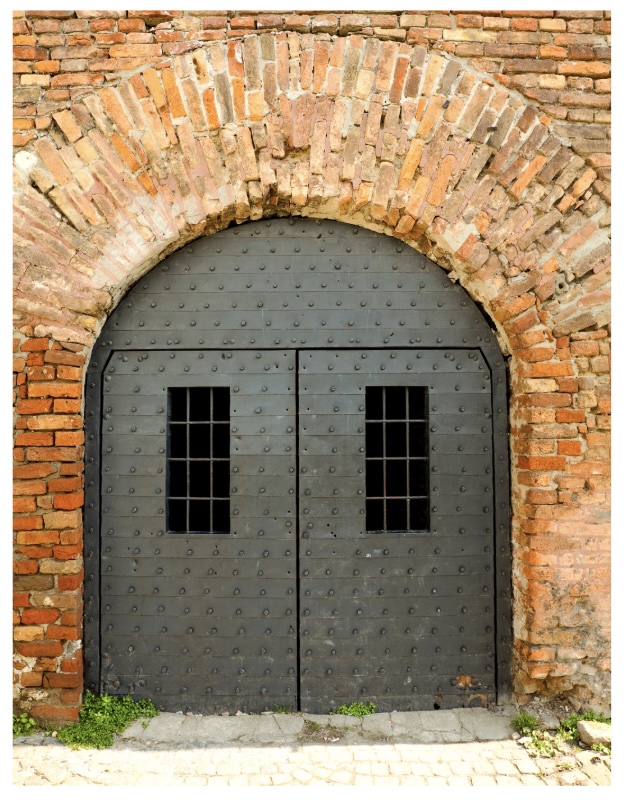
Prison Doors
Today’s first reading speaks of the nobility of Paul and Silas. But what do we mean by nobility? Tamil poet Thiruvalluvar uses the word perāṇmai in the context of moral restraint: “True nobility is refraining from desiring another’s spouse.” While this might literally mean a form of moral discipline, we’ll take it here to mean moral greatness—the opposite of pettiness or childishness.
In the city of Philippi, a mob rises up against Paul and Silas. It’s surprising. Why? Because Paul later wrote a letter to the Philippians that scholars call the “Letter of Love.” It’s one of the warmest letters in the New Testament. He addresses them as “My beloved,” “My joy and crown,” “My dear brothers and sisters,” and “Those whom I long for.” Yet it is some of these very people who once threw him into prison.
After being beaten, Paul and Silas are locked inside the most secure part of the prison, their feet fastened in stocks. And yet, at midnight, they are heard singing hymns and praising God. How could they sing in that darkness, cold, and isolation? Other prisoners are listening. We might say that Paul and Silas evangelized in the dark, through song.
Then the miracle occurs: a great earthquake shakes the foundations, prison doors fling open, and everyone’s chains come loose. The jailer, assuming that the prisoners have escaped, draws his sword to kill himself—fearing he will be executed for failing his duty.
But Paul cries out, “Do not harm yourself! We are all here!” Overwhelmed, the jailer rushes in, falls at their feet, and asks, “Sirs, what must I do to be saved?” The man who a moment ago raised his sword to die is now kneeling to live. He and his household come to faith and are baptized.
Two Lessons from This Episode
1. Be Noble Like Paul
Despite the chance to escape and the miracle that made it possible, Paul doesn’t run. He stays—not out of fear, but out of principle. This is true nobility. Truly noble people take responsibility for their lives and choices. Their actions are not dictated by others or by circumstance. They don’t react—they respond. They are centred.
We often say, “I’m a victim of circumstances” to excuse poor decisions. But nobility is the capacity to choose rightly even when conditions invite otherwise.
2. Don’t Be Rash Like the Jailer
The jailer assumes the worst and attempts suicide. He decides without knowing the full truth. Many of us do the same: “That’s it, it’s over!” “There’s no hope left.” But we must learn to light the lamp and patiently investigate before reacting.
Impulsiveness, quick criticism, and hasty conclusions are like prison doors that shut us away from the grace of wisdom.
Nobility vs Rashness
Paul leads the jailer not just through his preaching but through the integrity of his life. His witness is not only through words but by a character that stuns, convicts, and transforms.
This is what we call: Evangelizing by the witness of life.
May we live with Paul’s nobility, and free ourselves from the jailer’s hastiness. May our lives sing in darkness, open locked doors, and draw others to ask, “What must I do to be saved?”
Fr. Yesu Karunanidhi
Archdiocese of Madurai
Missionary of Mercy
 Yesu Karunanidhi
Leave a comment