Daily Catholic Lectio
Mon, 12 May ‘25
Fourth Week of Easter – Monday
Acts 11:1–18. John 10:1–10
Who am I to hinder God?
In October 2021, when Pope Francis issued the call for the Synod on Synodality, he offered us two foundational biblical images: (a) Jesus–Disciples–People: a movement of communion, and (b) Peter’s Conversion at the House of Cornelius.
We usually reflect more on Paul’s conversion (see Acts 9), but Luke also records Peter’s conversion—not of religion, but of mindset (see Acts 10). In the episode of Peter visiting Cornelius’ house, we witness a profound transformation in his understanding of who belongs to God’s people.
Peter had internalized the common Jewish belief of his time: “Only Jews are clean; all other peoples are unclean.” But through a vision, God teaches him a new lesson: Do not call anything impure that God has made clean.
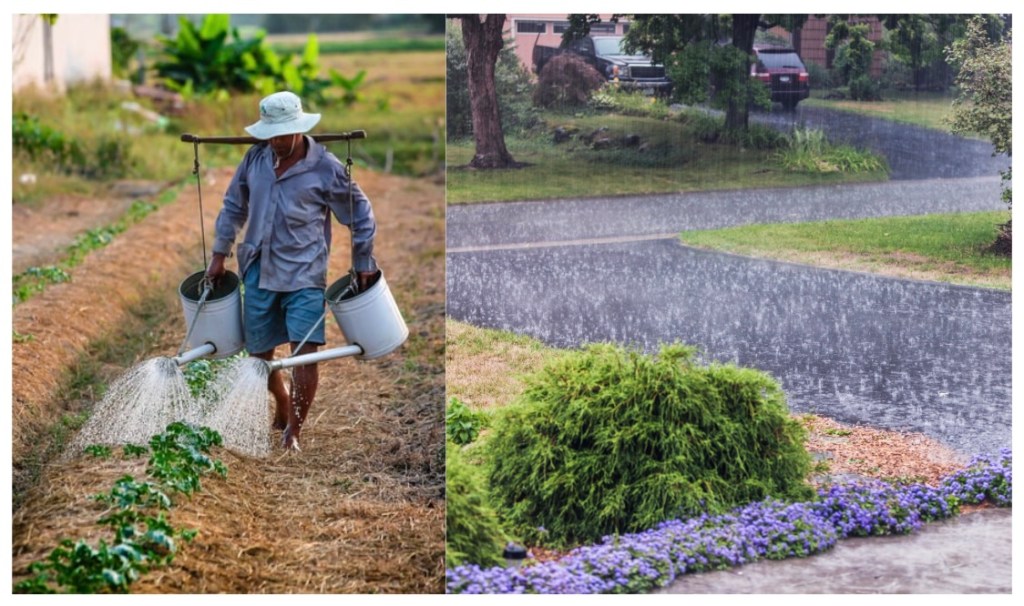
As Peter prays at Cornelius’ house, the Holy Spirit is poured out upon everyone present. Peter is astonished. Imagine a farmer standing with a watering can, ready to pour water only on certain patches of land. Suddenly, a downpour comes and floods the entire field. The farmer becomes useless or unnecessary—his control over water irrelevant.
Peter thought the Holy Spirit would be poured only through certain hands—through “proper” religious channels. Now he sees the Spirit poured freely, even upon the Gentiles. He realizes he is not the gatekeeper. God acts beyond human boundaries.
Today’s first reading presents Peter explaining this event to his fellow believers:
“Why did you go to eat with uncircumcised people?” they ask him, criticizing his association with outsiders.
Peter replies: “If God gave them the same gift He gave us, who believed in the Lord Jesus Christ, who was I to hinder God?”
The Challenge for Us Today
In our life of faith, what matters most is not who believes, but in whom we believe.
There are so many divisions within Christianity today. We, who all profess faith in Christ, often remain divided. If we focus solely on Christ—His person, life, and message—we will discover unity.
The grace God offers is the same for all. If those who have received it appear different from us in gender, race, caste, culture, or tradition, we must not be disturbed by it. We must be freed from our unconscious biases.
Peter’s vision at Cornelius’ house became the turning point for the Church’s mission to the Gentiles. In the worldview of first-century Jews, we—non-Jews—were all outsiders. This event opened the doors for our own inclusion in the Church.
The Gospel Passage
In today’s Gospel, Jesus presents Himself as “the gate for the sheep”. He declares: “I have come so that they may have life, and have it in abundance.”
This life is not exclusive, limited, or rationed. It is full, lasting, and inclusive of all.
A Reflection for Our Times
Peter’s question should become our own examination of conscience: “Who am I to hinder God?” Have I unknowingly resisted the work of the Holy Spirit in others? Have I allowed stereotypes or biases to colour how I treat people of other communities, traditions, or backgrounds? Do I believe God’s grace can surprise me—even in places I don’t expect?
Today, let us give thanks that the Shepherd’s gate is wide open—for all. Let us walk through it, and invite others to do the same.
Fr. Yesu Karunanidhi
Archdiocese of Madurai
Missionary of Mercy
 Yesu Karunanidhi
Leave a comment