Daily Catholic Lectio
Wed, 30 April ‘25
Second Week of Easter – Wednesday
Acts 5:17–26. John 3:16–21
Not coming to the light?
Today’s Gospel reading brings the conversation between Jesus and Nicodemus to a conclusion. Jesus finishes His teaching with the imagery of ‘light and darkness.’
In today’s Gospel reading, we read the Profession of Faith from the Gospel of John: “God so loved the world that He gave His only Son, so that everyone who believes in Him might not perish but have eternal life.”
God’s love for us is revealed through His self-gift. The purpose of this love is that, through our faith in Him, we may receive eternal life.
Nicodemus comes to meet Jesus at night. Although he inwardly accepts Jesus as “one who came from above,” he is afraid to proclaim this publicly. Jesus invites him — who dwells in darkness — to come into the light.
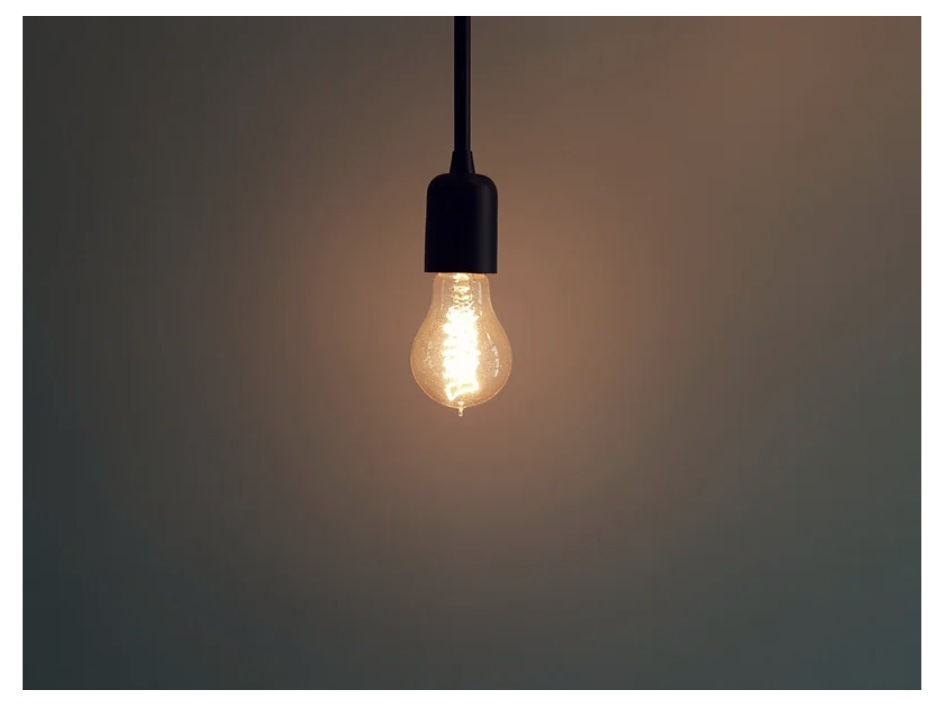
Let us reflect on the symbolism of light and darkness:
“The Light came into the world” — referring to the Incarnation of Jesus.
“People preferred darkness to light” — Jesus explains that this is because their deeds were evil.
According to the Gospel of John, light performs three key functions:
(a) Light reveals the truth. Just as the light in a room shows whether something lying on the floor is a snake or just a rope, light exposes reality as it is. Light reveals what truly exists.
(b) Light brings freedom. If we try to walk in a dark room, we feel as if our feet are bound. We move cautiously, fearing we might stumble. Light frees us from this bondage and enables us to walk freely and confidently.
(c) Light gives life. Although life may begin in the darkness — such as in the mother’s womb or deep within the earth — its growth depends on light. In Hebrew expression, even ‘birth’ is referred to as ‘seeing the light’ (see Job 3:16; Eccl 11:7). Light nourishes and sustains all living beings.
Truth, freedom, and life — these gifts that light offers — are not forced upon us. We must choose them, approach them, and embrace them willingly.
Those who come to the light receive a special gift: God works through them. Because God Himself is Light, whoever lives in the light shares in God’s work.
In today’s first reading, the apostles, who were held captive in the darkness of prison, are set free by the marvellous work of God and come into the light. Those who thought they could bind them with chains find themselves powerless.
The light that God gives is powerful enough to pierce through all human darkness.
Darkness is natural; it exists by default. But when light is welcomed, darkness disappears. In our personal lives, every moment should be a movement away from darkness and a journey toward the light.
Fr. Yesu Karunanidhi
Archdiocese of Madurai
Missionary of Mercy
 Yesu Karunanidhi
Leave a comment