Daily Catholic Lectio
Wed, 9 April ‘25
Fifth Week of Lent – Wednesday
Daniel 3:14–20, 24–25, 28. John 8:31–42
Falsehood and Freedom
For the past ten days or so, we have been reading continuously from the Gospel of John. We see a progression where the Jews hesitate to accept Jesus, Jesus explains Himself, and then they mock Him.
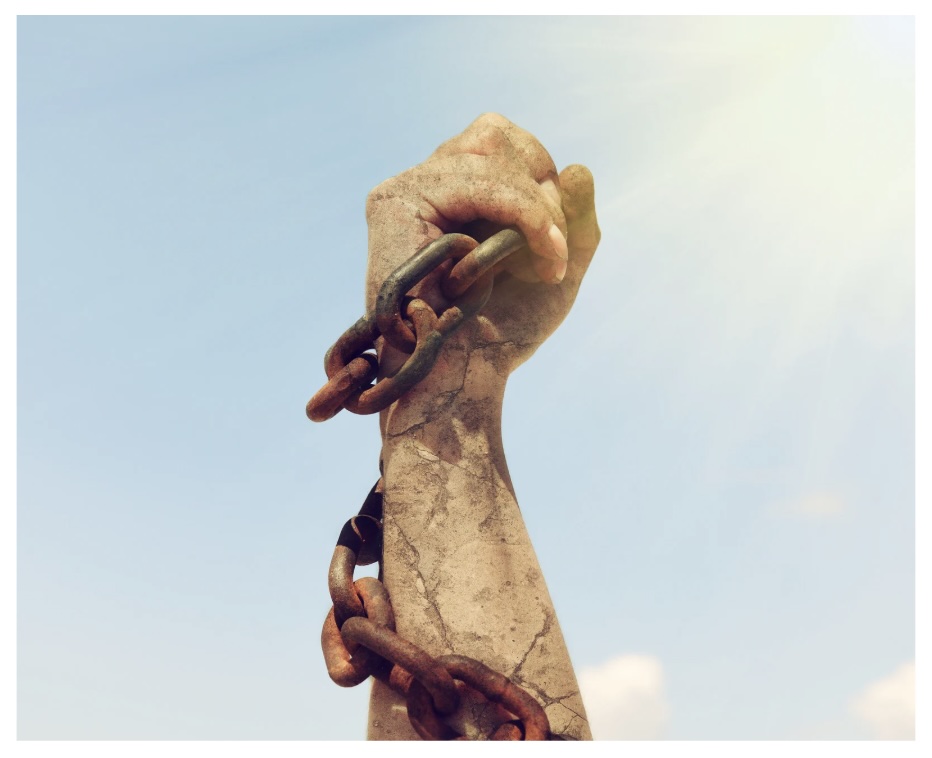
Today’s Gospel reading (John 8:31–42) revolves around the word “freedom.” The Jews make two definitive claims: (a) “We have never been slaves to anyone.” (b) “Abraham is our father.” Jesus reveals that both of these statements are false.
(a) “We have never been slaves to anyone”
Jesus begins the dialogue, saying:
“If you continue in my word, you are truly my disciples; you will know the truth, and the truth will make you free.”
To this, they respond:
“We are descendants of Abraham and have never been slaves to anyone!” This is clearly untrue. Their ancestors were slaves in Egypt, and God delivered them through mighty works. They were later exiled into Assyria and Babylon. Even in Jesus’ own time, they were under Roman rule. Yet, they deny their history.
Jesus doesn’t focus on these political or historical oppressions. He points to a deeper bondage: “Everyone who commits sin is a slave to sin.” Sin, when repeated, becomes a force that enslaves. A person no longer does the sin; they become driven by it. Like Pharaoh, whose heart hardened so much that he could no longer choose goodness. What begins with our control eventually controls us. As St. Augustine said: “A habit, when left unchecked, becomes a necessity.”
(b) “Abraham is our father”
In the Old Testament, Abraham is regarded as the father of faith. Though their ethnic lineage comes through Jacob, the Israelites saw Abraham as their spiritual father through faith.
Jesus questions this claim too.
“If you were Abraham’s children, you would be doing what Abraham did.” But instead of faith, they were plotting to kill Jesus. So, Jesus points out that they are not behaving like Abraham, but more like their forefathers who resisted God’s messengers.
Thus, Jesus breaks both identity claims that they relied on: Their denial of being slaves, and their claim of being Abraham’s true children.
What is the lesson for us today?
External identity does not guarantee inner freedom. It’s not enough to say, “I am a Christian,” “I am a priest or religious,” or “I belong to this group or that.” If we do not live our identity in truth, these labels may even destroy us from within.
First Reading: Three Men in the Furnace
In the First Reading, King Nebuchadnezzar commands three young men to worship his gods. They refuse, even under threat of death. Thrown into a fiery furnace, they stand as witnesses of true freedom in faith.
Jesus: Model of Inner Freedom
One of Jesus’ greatest qualities throughout His life was His inner freedom. He desired that others too would discover and celebrate their own freedom. He wanted people to support each other in living freely, especially in:
- Physical freedom: He heals the man at the pool of Bethesda (John 5).
- Intellectual freedom: He corrects the disciples’ false understanding of the Messiah as a political king.
- Emotional freedom: He eats with sinners and tax collectors, calling them equals in God’s Kingdom.
- Spiritual freedom: He tells Martha, “Only one thing is necessary” (Luke 10:42), pointing to interior focus.
In today’s First Reading, the Lord miraculously frees Shadrach, Meshach, and Abednego from physical bondage in the furnace.
Questions for Reflection
Do I cherish freedom as something noble and holy? Do I respect the freedom of others in my relationships—especially the freedom of choice and expression? In what areas of my life am I still a slave—to sin, fear, ego, or compulsion? Do I pray to God for liberation from this bondage? Do I truly accept Jesus, who alone can give me the freedom of truth?
Fr. Yesu Karunanidhi
Archdiocese of Madurai
Missionary of Mercy

 Yesu Karunanidhi
Leave a comment