Daily Catholic Lectio
Thu, 3 April ‘25
Fourth Week of Lent – Thursday
Exodus 32:7–14. John 5:31–47
Bearing Witness
In the Gospel of John, the theme of “bearing witness” is central. The people of Jesus’ time struggled to accept Him. According to their tradition, if someone performed a good deed, another had to testify that it was truly done by them. This expectation of external testimony forms the background of today’s Gospel.
First Reading: The Golden Calf Incident
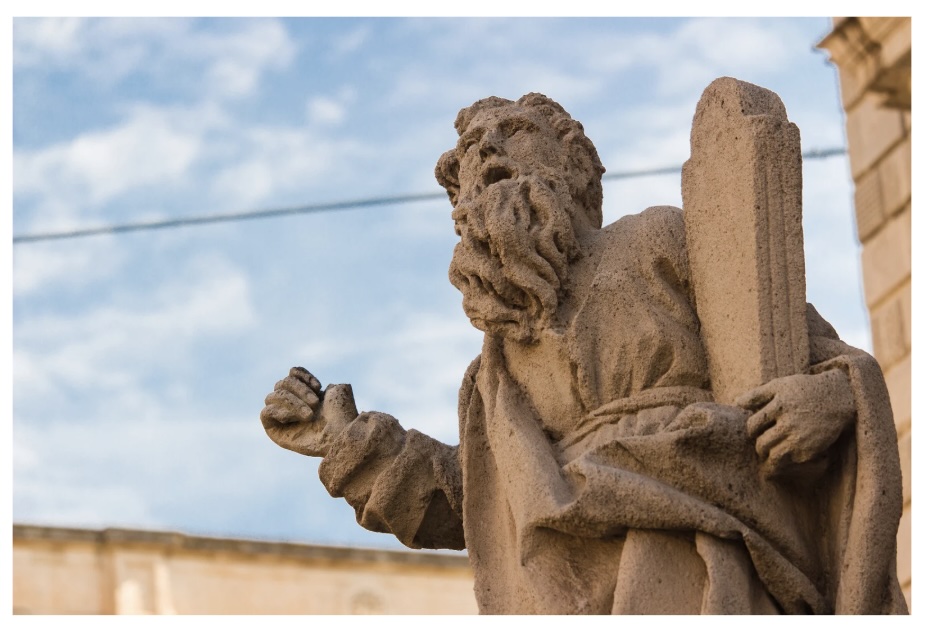
In today’s first reading, while God is speaking with Moses on Mount Sinai, the people below—under Aaron’s leadership—are worshipping a golden calf. This act stirs God’s wrath. God prepares to destroy the people, but Moses intervenes. As a selfless leader, he appeals to God’s past deeds and promises, persuading Him to relent and spare the Israelites.
Gospel Reading: Fourfold Testimony
Jesus refers to four witnesses who bear testimony to Him: (a) John the Baptist – Jesus says John bore witness to the truth, subtly indicating that He (Jesus) is that truth. (b) His own works – The signs and deeds Jesus performs according to the Father’s will serve as a living testimony. (c) The Father – God Himself bears witness to the Son, though He remains hidden from human eyes. And (d) The Scriptures – Though they hold the power to give life, the people still refuse to come to Jesus to receive that life.
Among these, Jesus identifies the first as human testimony, which He says people were only willing to accept for a little while—”They rejoiced for a time in that light.”
He also points out that even Moses, whom they claim to believe, they did not truly believe.
The Key Themes
Believing, Accepting, and Bearing witness are the three stages that form the core of today’s message. Since the people of Jesus’ time did not believe in Him, they could not accept Him. As a result, they did not bear witness to Him. Their hardened hearts kept them from embracing the truth.
The Golden Calf – A Symbol of Hardened Hearts
The golden calf, which emerged from the fire, symbolizes the hardened hearts of the Israelites. Gold, when in fire, is malleable. As long as it remains soft, it can be reshaped. Once it hardens, it is difficult to mould.
So too, the human heart: when it witnesses God’s marvellous deeds and yet refuses to be moved, it becomes like hardened gold—rigid and resistant to change.
This is what God calls a “heart of stone.”
A Call to Interior Conversion
Before our hearts become soft and open toward others, we must first be gentle and forgiving toward ourselves. A heart must be matured enough to forgive itself, accept itself, and be at peace within, before it can love others.
Fr. Yesu Karunanidhi
Archdiocese of Madurai
Missionary of Mercy

 Yesu Karunanidhi
Leave a comment