Daily Catholic Lectio
Fri, 3 Jan ‘25
Holy Name of Jesus, Memorial
Saint Kuriakose Elias Chavara, Memorial
1 John 2:29–3:6. John 1:29–34
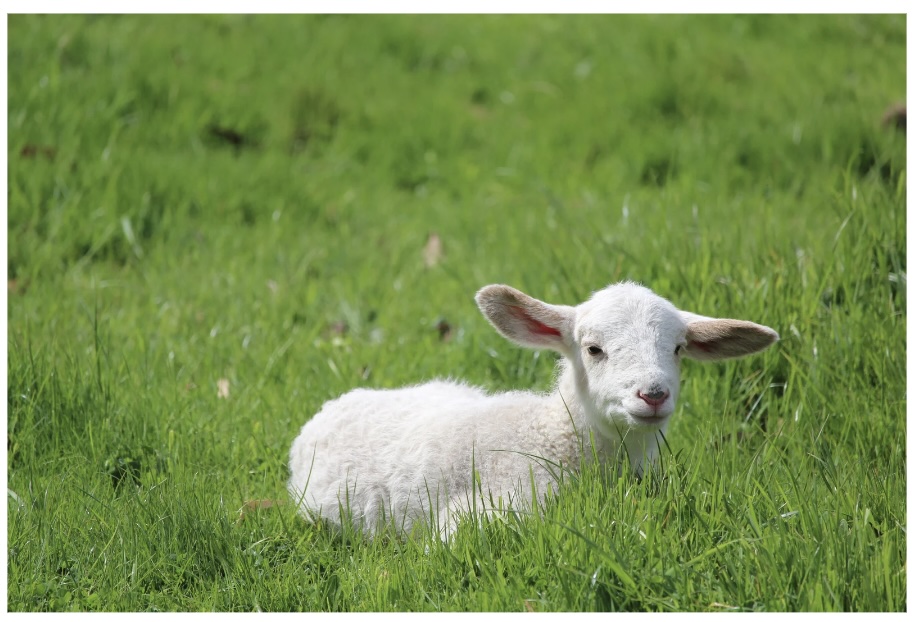
Lamb of God
Today we commemorate the Holy Name of Jesus. Luke records the naming of Jesus: “He was called Jesus, the name given by the angel before he was conceived in the womb” (2:21). Matthew not only gives an explanation about the name Jesus: “You shall call his name Jesus, for he will save his people from their sins (1:21), but also narrates: “And Joseph called his name Jesus” (1:25).
John, Apostle and Evangelist, describes Jesus in the first chapter of his gospel with seven titles: (1) Word (1:1-3, 14); (2) Light (1:4-9); (3) Son of God (1:18); (4) Christ (1:19-28, 35-42); (5) Lamb of God (1:29, 35-36); (6) King of Israel (1:43-49); and (7) Son of Man (1:51).
The gospel reading brings before the fifth title for Jesus from the above list. The title comes from one of the seven testimonies in the Gospel of John, i.e., John the Baptist; the other six testimonies are: Nathaniel (1:49); Peter (6:69); the blind man (9:35-38); Martha (11:27); Thomas (20:28); and Jesus himself (5:25, 10:36).
Lambs were required as a yearly sacrifice for all Jewish families. This was for the celebration of Passover. This feast looked back to the days of Moses, when lamb’s blood covered the doors of Israel and allowed God’s judgement to ‘pass over’ them (Exodus 12:22–23). The angel ‘passed over’ and smote the firstborn of the Egyptians. Isaiah, in his Fourth Suffering Servant poem, says that the Messiah would ‘bear the sins of many’ (cf. 53:12). The title ‘lamb of God’ qualifies Jesus at three levels: (a) Like the Paschal Lamb, Jesus was killed on the Day of Passover; (b) He was sacrificed as the lamb sacrificed on the Day of Atonement (Yom Kippur); and (c) He was driven away into the wilderness carrying the mockery of all the people and was crucified on the Cross.
The title that John the Baptist gives at the beginning of Jesus’ ministry comes to be understood by the readers only at the end of Jesus’ life. John announces that this name was revealed to him by God, and he reveals it now to his disciples.
In the statement ‘the lamb that takes away the sin of the world,’ ‘sin’ is in the singular. ‘Sin’ here refers to the entire existential reality of sin or evil, not individual sins or evil acts. Jesus, thus, takes control over the entire reality of sin.
Jesus teaches that ‘anyone who sins is a slave to sin’ (cf. Jn 8:4). Our individual sins gradually lead us to the entire existential reality of sin. Jesus, who takes away sin, invites us to refrain from sins so that we remain in the state of grace.
May the name of Jesus keep us away from sin. The first reading invites us to lead a sinless life: “No one who abides in him keeps on sinning; no one who keeps on sinning has either seen him or known him” (1 Jn 3:6).
#
Life Lessons from Saint Kuriakose Elias Chavara:
1. The value of prayer and devotion. Saint Chavara emphasized the centrality of prayer in daily life. He encouraged families to build a “domestic church” by praying together, particularly through family prayers and devotions. His life teaches us that consistent prayer fosters unity, peace, and spiritual growth. Let us prayer and spirituality the foundation of personal and family life.
2. Commitment to education and social reform Saint Chavara pioneered initiatives to educate the marginalized and uplift society. His efforts remind us of the transformative power of education. Let us strive to uplift others, especially the marginalized, through education and selfless service.
3. Living a life of holiness and integrity. His life was an example of holiness, humility, and integrity. Even amidst challenges, he remained faithful to his mission of serving God and others. Let us lead a life of integrity, staying true to your values and calling, regardless of difficulties.
Fr. Yesu Karunanidhi
Archdiocese of Madurai
Missionary of Mercy
 Yesu Karunanidhi
Leave a comment