Daily Catholic Lectio
Sun, 29 Sep ‘24
XXVI Sunday in Ordinary Time
World Day of Migrants and Refugees
Numbers 11:25-29. James 5:1-6. Mark 9:38-48
God walks with his people
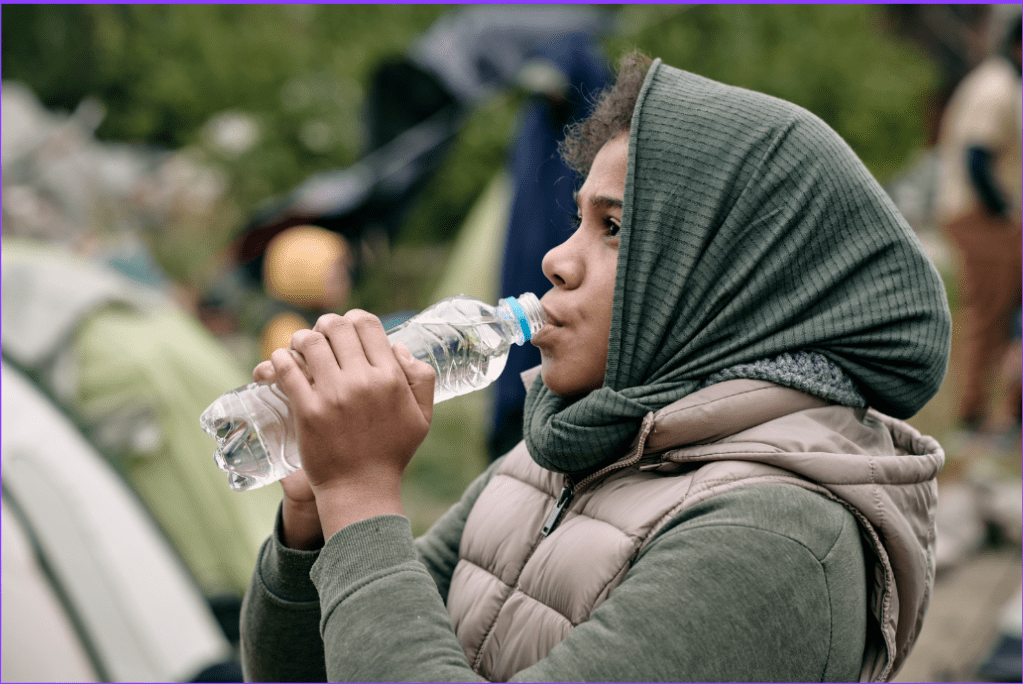
Today, as we celebrate the World Day of Migrants and Refugees, we reflect on the theme proposed by our Holy Father Pope Francis, “God Walks with His People.” In a world where many are forced to leave their homes due to work, war, poverty, and persecution, today’s readings remind us that God is always present, especially with those on the margins. As the people of God, we are called to journey with migrants and refugees, showing them the compassion and love of Christ.
1. God’s Spirit is present among the dispersed
In the first reading, we see Moses feeling overwhelmed by the burden of leadership. God responds by sharing the Spirit with seventy elders to assist him. But when two men, Eldad and Medad, prophesy outside the camp, Joshua wants to stop them. Moses, however, responds: “Would that all the Lord’s people were prophets, and that the Lord would put His Spirit upon them!”
This reminds us that God’s Spirit is not confined to certain places or people. Just as Eldad and Medad prophesied outside the camp, so too does God walk with His people wherever they are — even outside the boundaries of our comfort zones. Migrants and refugees, often forced to live outside their familiar homes, carry the presence of God with them. God walks with them in their displacement, and we are called to recognize this.
We are invited to see migrants and refugees as bearers of God’s Spirit. Their journey, though difficult, is not outside God’s care or presence. Like Moses, we are called to embrace them and recognize the divine within them.
2. Justice and compassion for the oppressed
In the second reading, James delivers a strong message against those who exploit the poor and vulnerable: “The wages of the labourers who mowed your fields, which you kept back by fraud, cry out, and the cries of the harvesters have reached the ears of the Lord of hosts.”
This passage speaks powerfully to the exploitation and injustice faced by many migrants and refugees today. They often endure harsh labour conditions, unfair treatment, and lack of dignity. James reminds us that God hears the cry of the oppressed. When we ignore or exploit the suffering of the vulnerable, we go against the heart of God, who walks with them in their suffering.
We are called to promote justice, ensuring that the rights and dignity of migrants and refugees are protected. As followers of Christ, we must stand with those who are oppressed, just as God stands with them.
3. Radical love and compassion
In the Gospel, Jesus tells His disciples not to hinder those who are casting out demons in His name, even if they do not belong to their group. He says, “Whoever is not against us is for us.” Jesus then warns against causing the ‘little ones’ to stumble and uses strong language about cutting off anything that causes sin.
Here, Jesus calls us to radical love and compassion, beyond our boundaries or prejudices. Migrants and refugees, like the “little ones” in the Gospel, are often vulnerable, and our actions or indifference can lead to their suffering. Christ challenges us to examine our own attitudes: Do we allow divisions, prejudices, or indifference to prevent us from showing compassion to those in need?
We are called to welcome the stranger and the outsider with open hearts, realizing that there is no room for exclusion in the kingdom of God. Our love must be radical and far-reaching, just as Jesus’ love for all of humanity is boundless.
As we reflect on today’s theme, “God Walks with His People,” we are reminded that God walks with the migrants and refugees of today, just as He walked with His people in the desert. We, as a Church, are called to join in that journey — recognizing the Spirit in those on the margins, standing for justice for the oppressed, and extending radical love and compassion to all.
What are the life lessons for us?
1. Embrace inclusivity. Create spaces for diverse voices, especially migrants and marginalized groups, recognizing that God’s Spirit works through everyone.
2. Advocate for justice. Support fair treatment and dignity for migrants and labourers, standing against exploitation and unjust wages.
3. Show radical compassion. Welcome outsiders and ensure no one is excluded from your community.
Let us pray that our hearts may be open to walk alongside those who are displaced and vulnerable, always aware that God is with them — and with us — in every step of the journey.
Fr. Yesu Karunanidhi
Archdiocese of Madurai
Missionary of Mercy
 Yesu Karunanidhi
Leave a comment