Daily Catholic Lectio
Sat, 9 Sep 2024
XXIII Week in Ordinary Time, Monday
1 Corinthians 5:1-8. Luke 6:6-11
The leaven of the heart
Today’s readings highlight the theme of “the leaven of the heart.” Leaven (‘yeast’), often symbolizing the unseen force that influences a larger whole, can represent both good and bad influences in our spiritual lives. In these readings, we are invited to reflect on the power of what we allow to shape our hearts, for the condition of the heart directly affects our relationship with God and others.
1. The corrupting leaven of sin
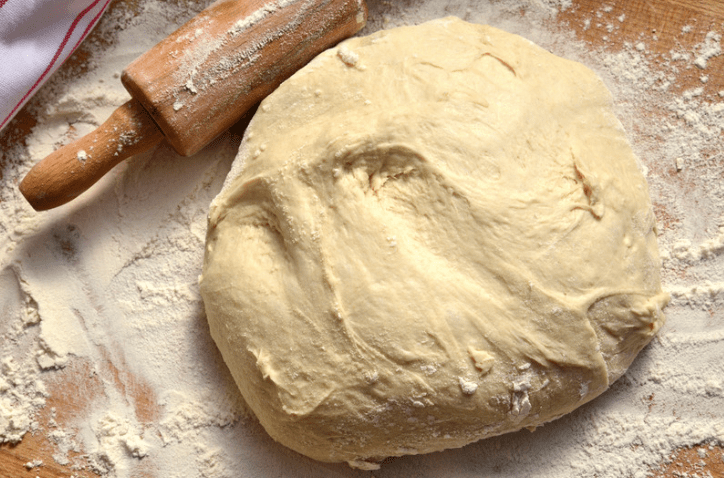
In the first reading (1 Corinthians 5:1-8), St. Paul addresses a grave sin within the Christian community, likening it to leaven that spreads and corrupts the entire batch of dough. He warns that tolerating sin – whether it be immorality, pride, or any other vice – leads to a spiritual infection that spreads and contaminates the whole community. Paul calls the Corinthians to “cleanse out the old leaven” so that they may become a new, unleavened batch in Christ.
This passage reminds us of the corrupting influence that sin can have on our hearts if left unchecked. Just as a small amount of yeast causes bread to rise, even a small sin can grow, harden our hearts, and distance us from God. Paul’s call to remove the old leaven urges us to regularly examine our hearts, confess our sins, and seek God’s grace to cleanse us from all that leads us away from holiness. Only by doing so can we truly live as “unleavened bread” in sincerity and truth.
2. The Pharisees’ leaven of legalism
In the gospel reading (Luke 6:6-11), we witness Jesus healing a man with a withered hand on the Sabbath, while the Pharisees, rather than rejoicing in the miracle, look for reasons to accuse Jesus of breaking the law. Their hearts are hardened by a legalistic approach to religion, and they prioritize rules over compassion and mercy. Jesus confronts their attitudes by asking whether it is lawful to do good or harm on the Sabbath, thereby exposing the Pharisees’ lack of understanding of God’s heart. The withered hand of the man was healed, but the hearts of the Pharisees withered!
The Pharisees’ rigid interpretation of the law is a form of spiritual leaven that blinds them to the grace and love of God. Legalism can creep into our own hearts when we focus more on appearances, rules, and traditions than on loving and serving others. Jesus invites us to remove this leaven of self-righteousness and embrace the true spirit of the law, which is grounded in love, mercy, and compassion. By doing so, our hearts become more aligned with God’s will.
3. The leaven of grace and transformation
Both St. Paul and Jesus point us toward a different kind of leaven – the leaven of grace and transformation. Paul calls us to celebrate the Passover with “the unleavened bread of sincerity and truth,” reminding us that, in Christ, we are given the grace to live free from the corrupting influence of sin. Likewise, Jesus demonstrates in the Gospel that healing and mercy are at the heart of God’s law. His actions invite us to be filled with the leaven of His grace, which transforms our hearts from the inside out.
This leaven of grace, unlike the leaven of sin or legalism, leads to life, growth, and renewal. It is a quiet but powerful force that works within us, transforming our hearts so that we can reflect Christ’s love to the world. When we allow the leaven of grace to shape us, we become agents of mercy, healing, and truth in our communities.
#
The pilgrims of hope cleanse their hearts from the old leaven that leads them away from God, and embrace the leaven of grace that brings life and renewal. (Jubilee 2025 AD, bite 194).
Fr. Yesu Karunanidhi
Archdiocese of Madurai
Missionary of Mercy
 Yesu Karunanidhi
Leave a comment