Daily Catholic Lectio
Tue, 4 June 2024
Ninth Week in Ordinary Time – Tuesday
2 Peter 2:12-15, 17-18. Mark 12:13-17
Silent revolution
“They were trying to trap Jesus with his words, but they did not realise that he was the word of God.”
Jesus was a pebble in the shoes of the political and spiritual leaders of his time. They indeed found it difficult to walk ‘with’ him, so they decided to get rid of him. The dominant religious and political groups came to trap him in words. They were trying to trap Jesus with his words, but they did not realise that he was the word of God.
In today’s gospel reading, the Pharisees, a religious group, joining hands with the Herodians, a political group, come to Jesus with a question: “Is it lawful to pay taxes to Caesar or not?” The Pharisees were keen on paying temple taxes and one tenth to the Lord. The Herodians, in a way, showed partial fidelity to Judaism and to the Romans. Jesus was put in a delicate situation. His no or yes will have deadly consequences. He will be considered either a revolutionary or a bad teacher.
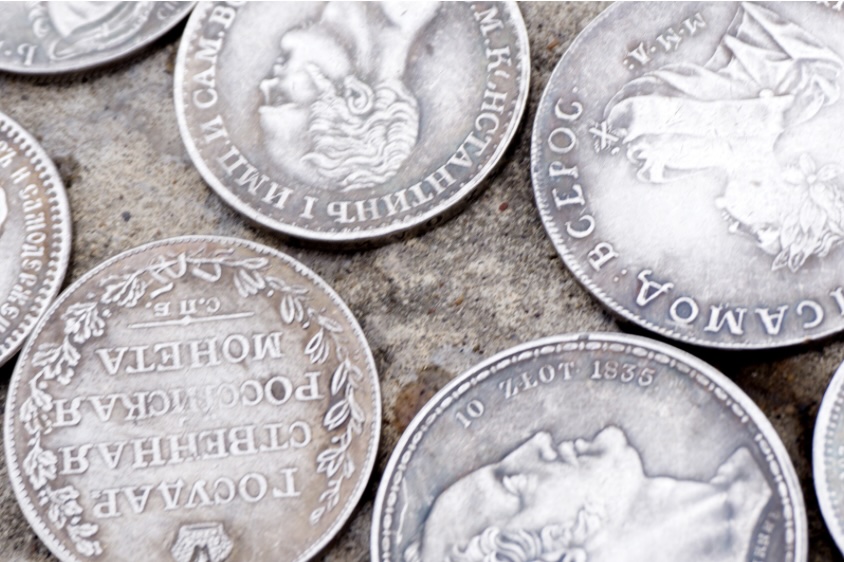
Jesus goes step by step in answering their question. First, he asks for a coin. He begins with where they are. They have a coin with the inscription of Caesar. According to the Mosaic teaching, the Jews must have no inscription of whatever personage. These people are now carrying Caesar in their pockets. And the official coin of the Jews was the shekel. Now they have a denarius, a Roman coin.
Secondly, Jesus says to them, “Give to Caesar what belongs to Caesar, and give to God what belongs to God.” Often, we interpret the words of Jesus as a reminder to us about our civic duty and spiritual duty.
But I would interpret this in a different manner. Jesus uses these words in a subversive way. Rather, he initiates a silent revolution or protest. He throws the spark.
‘Give to Caesar what belongs to Caesar’ – this could mean ‘Send Caesar to where he belongs, that is, Rome.’ And once Caesar is back in Rome, you give your full lives to God. For all of you belong to God.
Thus, Jesus takes his contemporaries to a different level. They were complacent, being the citizens of Caesar. Now Jesus invites them to become children of God. It is not necessary that we are citizens of a nation or an emperor, but we need to rediscover our identity as sons and daughters of God.
Jesus, here, does not set the secular world and the spiritual realm as complementary; rather, he creates a polarity between the two. He wants his audience and us to choose what belongs to God and God alone.
This will involve saying no to hypocrisy.
Jesus’ answer surprises his enemies. They found in him a silent reformer.
Let us ask ourselves today: Do I set my mind on the things of God? or Am I happy ‘having the best of both worlds’? Jesus wants to choose God, and God alone.
#
In the first reading, Peter writes to his suffering church, instilling in them the message of hope: “We await the advent of the new heavens and the new earth”. The new heaven is the new earth. (Jubilee A. D. 2025, bite 115).
Fr. Yesu Karunanidhi
Archdiocese of Madurai
Missionary of Mercy
# Be M.er.cy.Fool

 Yesu Karunanidhi
Leave a comment