Daily Catholic Lectio
Fri, 12 Apr 2024
Second Week of Easter – Friday
Acts 5:34-42. John 6:1-15
Coming from God
Ever since the time of condemning Jesus to death, the Sanhedrin has been kept busy. It persuaded Pontius Pilate to crucify Jesus; it appointed soldiers to safeguard the tomb of Jesus; it bribed the guards to spread rumours that the corpse of Jesus had been removed by his disciples. When they thought everything was done away with, there came a new problem. A crippled person is made well by the name of Jesus through the apostles Peter and James.
The miracle that the disciples worked on near the Beautiful Gate of Jerusalem becomes the talk of the town. They have a living witness in front of them: the person healed. The Sanhedrin warns, admonishes, and flogs the apostles, but the apostles do not relent. The Sanhedrin is being gathered again and again.
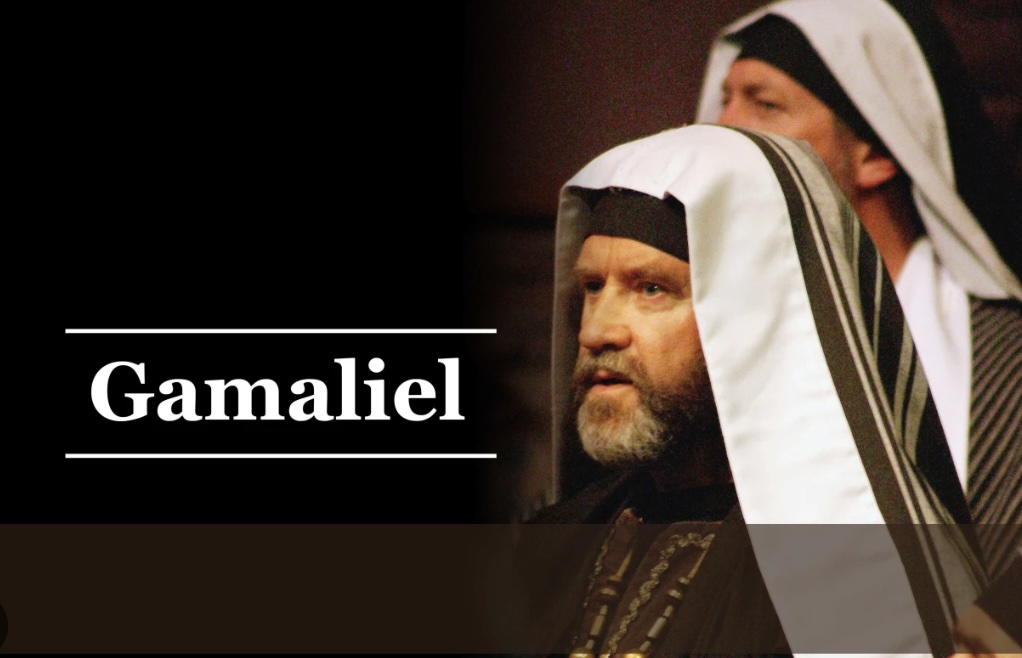
The first reading brings before us the event of the Sanhedrin coming together. The key member of the Sanhedrin presented here is Gamaliel. When the Sanhedrin was moved with anger and agitation, Gamaliel tried to reason things out. He counsels in light of the earlier events:
“So now I tell you, have nothing to do with these men, and let them go. If this endeavour or this activity is of human origin, it will destroy itself. But if it comes from God, you will not be able to destroy them; you may even find yourselves fighting against God.”
Gamaliel advises that the time shall test the worthiness of the apostles. The people of ancient times thought that anything worthwhile must last long; what lasts long is worthwhile. For this reason, they were engaged in the project of putting up buildings that would become immortal.
When we allow something to be as it is, as in the Law of Entropy, it ceases to exist. When we let something go without paying attention, that thing begins to disappear. Unattended friendship disappears; unattended knowledge disappears; and unused skills disappear.
How do the words of Gamaliel challenge us?
When we take initiatives on our own, when they come from us, they may disappear. But anything that comes from God or that is done by God lasts a long time because God is eternal. He makes things sustainable. For this reason, Saint Augustine, mourning over the death of Nebridius, his close friend, cries, “If I had loved you in God, you would have remained eternal.”
In our lives, we might have begun a lot of things; often, they are not completed. Today, let us resolve to become engaged with that work or project that comes from God.
In the gospel reading, Jesus multiplies five loaves and two fish and feeds the five thousand. Philip begins at a human level, making a calculation of the loaves needed and the money to be spent. But Jesus begins with the hand of God. He not only satisfies hunger but also makes things in excess.
We need a lot of patience, interiority, and silence to identify and execute the work that comes from God. Gamaliel and Jesus possessed these qualities.
#
“I wait for the Lord; my whole being waits, and in his word I put my hope.” (Ps 130:5). (Jubilee A. D. 2025, bite 70)
Fr. Yesu Karunanidhi
Archdiocese of Madurai
Missionary of Mercy
 Yesu Karunanidhi
Leave a comment